What Is The Life Expectancy of A Biosafety Sealed Valve?
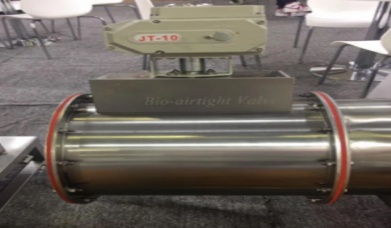
In biosafety facilities, “valve life” is never just about how long a metal body can exist without breaking. A Biosafety Sealed Valve is part of a containment strategy—often installed in HVAC isolation, decontamination pathways, filter housings, or controlled exhaust and supply lines where airtight performance matters. When customers ask us, “What is the life expectancy of a Biosafety Sealed Valve?” they usually mean something more practical: How long will it keep sealing reliably, operating smoothly, and passing verification without becoming a risk or a maintenance headache?
Read More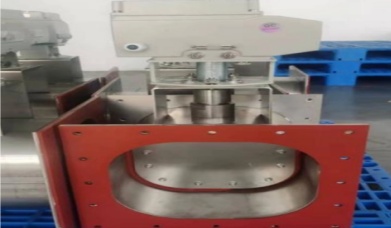
Biosafety Sealed Valve Maintenance Tips To Prevent Seal Wear And Sticking
In high-containment and controlled environments, a Biosafety Sealed Valve is not just another piping component—it is part of the system that helps keep workflows stable, clean, and predictable. When a sealed valve performs smoothly, operators rarely notice it. But when a seal starts wearing prematurely or a valve begins sticking, the impact is immediate: slower operations, inconsistent closing feel, higher risk of leakage pathways, and more frequent maintenance interruptions. These issues are often blamed on “valve quality,” but in real sites we see a different root cause much more often—maintenance habits that don’t match the operating conditions.
Read More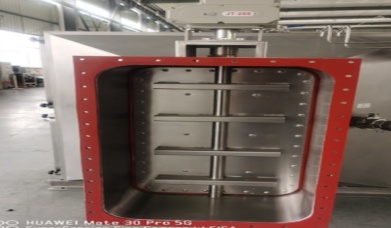
What Is A Biosafety Air Tight Door Used For
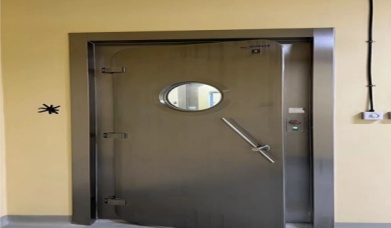
When most people hear “biosafety,” they think about PPE, biosafety cabinets, or strict operating procedures. But in high-containment spaces, the building itself is part of the safety system—and doors are one of the most important “moving parts” in that boundary. A Biosafety Air Tight Door is not a regular door with a stronger lock. It is a specialized barrier designed to help a facility maintain containment by controlling air leakage, supporting pressure differentials, and reducing the risk of unintended airflow between zones.
Read More