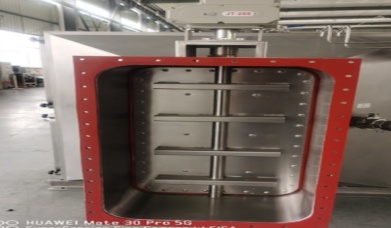
In high-containment and controlled environments, a Biosafety Sealed Valve is not just another piping component—it is part of the system that helps keep workflows stable, clean, and predictable. When a sealed valve performs smoothly, operators rarely notice it. But when a seal starts wearing prematurely or a valve begins sticking, the impact is immediate: slower operations, inconsistent closing feel, higher risk of leakage pathways, and more frequent maintenance interruptions. These issues are often blamed on “valve quality,” but in real sites we see a different root cause much more often—maintenance habits that don’t match the operating conditions.
At Shanghai Qualia Biotechnology Co., Ltd., we work with customers who run systems where reliability is built from small details. In that context, preventing seal wear and sticking is not about doing “more maintenance.” It is about doing the right maintenance: consistent inspection, correct cleaning methods, appropriate lubrication practices, and simple operational routines that reduce stress on sealing surfaces. This article shares practical maintenance tips for biosafety sealed valves, focused on what typically causes seal wear and valve sticking—and how to prevent those issues with a clear, repeatable approach.
1 Why Biosafety Sealed Valves Wear or Stick in Real Use
Seal wear and sticking usually develop slowly. By the time a valve feels stiff, the sealing surfaces may already be under stress. The most common contributors include:
Particle contamination (dust, process residue, cleaning residue, powder) accumulating at the seal contact zone
Over-tight operation habits (closing with excessive force “just to be safe”) that compress and deform seals
Incompatible cleaning agents that dry out or swell elastomer seals over time
Dry running (little to no lubrication where lubrication is allowed/required) leading to friction-based wear
Infrequent cycling where valves sit in one position for long periods, increasing the chance of sticking
Temperature and humidity swings that gradually change seal elasticity and surface friction
The best maintenance plan addresses these causes directly, instead of only reacting after the valve becomes difficult to operate.
2 A Simple Maintenance Mindset That Works
When our customers ask how to extend service life, we suggest treating a biosafety sealed valve like a “precision interface,” not a rugged commodity. Your goal is to:
Keep the sealing interface clean
Reduce friction at moving contact points
Avoid unnecessary compression and over-torque
Catch early signs before sticking becomes a shutdown event
This approach often prevents the two most common complaints: seal wear and sticking.
3 Daily and Weekly Habits That Prevent Sticking
A Keep external surfaces clean and dry
A surprisingly high percentage of sticking problems begin with external contamination migrating inward. If the valve body, stem area, and handle zone are routinely exposed to dust or residues, that contamination can work its way toward moving interfaces during operation.
Practical habit
Wipe the valve exterior after shift changes or after washdown cycles
Pay special attention to junctions, fasteners, and any areas where residue can build up
B Operate smoothly, not aggressively
Many operators close valves hard to “guarantee” sealing. In biosafety sealed valves, over-force is a common wear accelerator. It increases seal compression, raises friction, and can create deformation that later turns into sticking.
Practical habit
If the closing feel changes, treat it as a signal to inspect rather than applying more force
C Don’t let valves sit unused for long periods
A valve left in one position for months can develop higher breakaway torque, especially if there is slight residue, humidity effects, or seal material changes.
Practical habit
4 Cleaning Practices That Reduce Seal Wear
Cleaning is essential, but incorrect cleaning is one of the fastest ways to shorten seal life.
A Use compatible cleaning methods
Avoid harsh solvents or highly aggressive agents unless the valve materials are confirmed compatible. Some agents can cause:
Practical habit
Use approved, material-compatible cleaning agents
Rinse and wipe to avoid leaving a film that dries and becomes sticky
B Avoid “pressure washing” sensitive interfaces
High-pressure spray can drive moisture and contaminants into gaps and seams. In biosafety environments, it may also push residues into stem or seat areas.
Practical habit
C Drying matters
Moisture left around interfaces can combine with dust and create a paste-like residue. This often causes the first “sticky feel.”
Practical habit
5 Lubrication Tips Without Overdoing It
Lubrication is a common topic—and also a common mistake. Too little lubrication can increase wear, but too much can attract particles and cause buildup.
A Use the right lubricant type and amount
Only use lubricants that are appropriate for the valve design and operating environment. In many controlled environments, the lubricant choice is driven by compatibility and cleanliness requirements.
Practical habit
Apply a thin, controlled film where lubrication is specified
Avoid excess grease that can trap dust or residues
B Reapply based on condition, not only on time
A rigid schedule without inspection can either cause over-lubrication or missed wear signs.
Practical habit
Inspect first, then lubricate if the interface looks dry or friction increases
Keep a simple log so patterns are visible (e.g., one valve always needs more attention)
6 Inspection Points That Catch Problems Early
If you only inspect when a valve sticks, you are already late. A short inspection routine can catch early indicators:
What to look for
Change in operating feel (higher torque, uneven resistance)
Noise during operation (squeak, scrape, grinding sensation)
Residue tracks around seals or stem zones
Visible seal deformation (flattening, cracking, swelling, discoloration)
Slow return movement or inconsistent closing position
Quick inspection guide table
Inspection Item | What It Suggests | Practical Action |
Higher turning force | friction increase or residue buildup | clean interface zone and verify lubrication |
Uneven resistance | localized wear or contamination | inspect seal area and check alignment |
Sticky start then smooth | breakaway torque rising | add cycling routine and inspect residue risk |
Visible residue ring | contamination pathway | adjust cleaning routine and drying practice |
Seal looks flattened | over-compression or age | review closing force habits and plan seal check |
This kind of table is easy to adapt into your maintenance checklist.
7 Installation and Alignment Issues That Cause “False Sticking”
Sometimes a valve feels like it is sticking, but the real issue is mechanical misalignment or stress from piping.
Common installation-related contributors:
piping loads pulling the valve body slightly out of alignment
inadequate support causing vibration or bending stress
uneven flange tightening that distorts the body
poor alignment that increases internal friction
Practical habit
During maintenance, check whether the valve is carrying pipe stress
Verify supports are doing their job
Use even tightening patterns and correct torque practices during assembly
8 Storage and Spare Valve Handling
Spare parts are only useful if they remain in good condition. Seals can age faster when stored poorly.
Practical storage tips
Store in a clean, dry environment
Keep protective caps in place
Avoid direct sunlight and high heat
Do not compress seals during storage (avoid stacking that distorts components)
Label storage date and rotate stock if needed
For many teams, improving storage discipline reduces “new valve” issues that are actually storage-related.
Final Thoughts
A Biosafety Sealed Valve is designed to support controlled, reliable operation, but the best results come from maintenance routines that protect the seal interface from contamination, dryness, and over-force. In our experience, preventing seal wear and sticking is mostly about small, repeatable habits: correct cleaning, careful drying, appropriate lubrication, regular cycling, and simple inspections that catch friction changes early. When these basics are in place, valves tend to operate more smoothly, maintenance becomes more predictable, and the overall system feels easier to manage.
At Shanghai Qualia Biotechnology Co., Ltd., we support customers who value reliability through practical engineering and disciplined operation. If you are reviewing your biosafety sealed valve maintenance routines or planning upgrades for higher stability and easier operation, you are welcome to learn more from Shanghai Qualia Biotechnology Co., Ltd. and reach out for product and application guidance.
FAQ
1) What causes a biosafety sealed valve to start sticking?
Sticking is often related to residue buildup, insufficient cycling, incompatible cleaning agents, or increased friction at moving interfaces.
2) How often should I cycle a biosafety sealed valve to prevent sticking?
Many sites add a weekly light cycling check for low-use valves, but the best frequency depends on your environment and how quickly residue accumulates.
3) Can over-tightening increase seal wear in a biosafety sealed valve?
Yes. Closing with excessive force can increase seal compression and friction, which may accelerate wear and contribute to sticking over time.
4) What should I inspect first if valve operation feels harder than usual?
Start with residue around the interface zones, confirm proper drying after cleaning, check lubrication condition where applicable, and verify that piping stress is not distorting alignment.


