Introduction
Ensuring the safety and quality of products is crucial, especially in industries like pharmaceuticals and biotechnology. Critical isolator systems play a vital role in maintaining contamination-free environments. However, the effectiveness of these systems depends on regular validation and testing.In this article, you will learn about the importance of validating compliance for isolator systems through inspection and testing services. We will explore best practices for maintaining these systems and ensuring they meet regulatory standards.
Understanding the Importance of Validating Compliance in Isolator Systems
What Are Critical Isolator Systems?
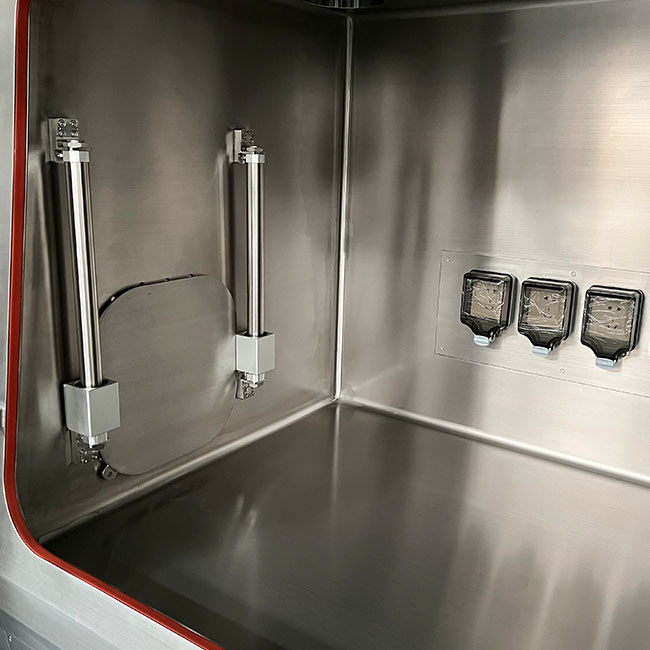
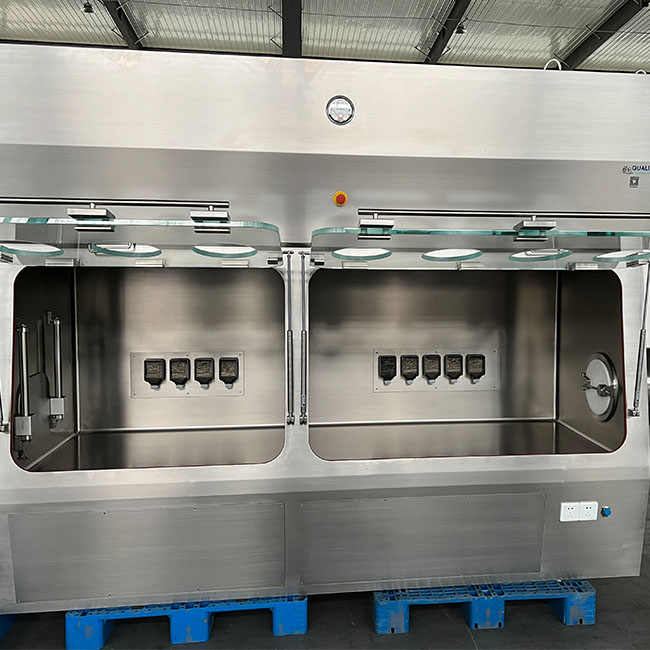
Isolator systems are self-contained environments designed to maintain sterile or controlled conditions during sensitive processes. These systems are used in various applications such as pharmaceutical production, biological research, and the handling of hazardous materials. Isolators provide a physical barrier between the operator and the product, ensuring that the product remains uncontaminated.
There are three primary types of isolator systems, each tailored for specific uses:
Type of Isolator |
Primary Use |
Features |
Biological Isolators |
Contain biological materials (e.g., pathogens, viruses). |
Prevents biological contamination and protects the operator. |
Containment Isolators |
Handle hazardous chemicals or biological agents. |
Ensures that toxic or infectious materials do not escape. |
Aseptic Isolators |
Ensure sterility for pharmaceutical and medical device production. |
Prevents microbial contamination, particularly in sterile drug production. |
Each type of isolator has its unique design and function, but all must undergo rigorous testing and validation to meet regulatory standards and ensure safety and efficiency.
Compliance Requirements and Regulatory Standards
Compliance with industry standards is not optional when it comes to isolator systems. Regulatory bodies provide frameworks that ensure these systems meet safety, performance, and quality requirements. Key regulatory frameworks for isolator systems include:
Regulatory Body |
Standard/Regulation |
Key Requirements |
FDA (U.S. Food and Drug Administration) |
Title 21 CFR Part 211 (GMP) |
Ensures pharmaceutical manufacturers follow proper production and quality control measures. |
GMP (Good Manufacturing Practices) |
EU GMP Guidelines & U.S. FDA GMP Regulations |
Set standards for sterilization, contamination control, and validation in pharmaceutical settings. |
ISO (International Organization for Standardization) |
ISO 14644: Cleanrooms and associated controlled environments |
Provides guidelines on air quality, cleanliness, and performance of isolators. |
Compliance with these standards ensures the isolator operates in a manner that protects both product and personnel while minimizing risks to health and safety.
The Risks of Non-Compliance
Failing to validate and test isolator systems regularly can lead to significant risks. These include:
Risk |
Impact |
Contamination |
Potential contamination of sensitive products or environments, leading to product recalls or regulatory penalties. |
Regulatory Fines |
Companies may face fines, shutdowns, or loss of certification due to non-compliance with established standards. |
Loss of Product Integrity |
If isolators fail to function properly, they can compromise the quality of pharmaceutical or medical products, leading to damaged reputation and market trust. |
The cost of non-compliance often extends beyond fines, impacting brand reputation, customer trust, and business operations.
The Role of Inspection and Testing Services in Compliance Validation
Why Inspection and Testing Matter for Critical Isolators
Regular inspections and testing services are essential to ensure isolator systems maintain their designed functionality. These services help identify deviations from performance specifications, such as leaks, air pressure changes, or contamination risks, before they cause operational failures.
Testing helps determine:
● The Integrity of the Isolator: This ensures that all components critical to the isolator’s function—such as seals, gaskets, locks, and doors—are intact and performing as designed. Proper sealing is essential to preventing external contamination or the escape of hazardous substances. Any failure in these components could compromise the entire isolator system, leading to contamination risks and potential safety breaches. Regular inspections and tests like air leakage and pressure decay testing help detect any imperfections or wear in these sealing mechanisms, ensuring the isolator remains tightly sealed during operation.
● Environmental Conditions: The success of isolator systems relies heavily on the maintenance of strict environmental conditions. These conditions include parameters such as temperature, humidity, and air pressure. Ensuring that these variables remain within regulatory standards is vital for maintaining the sterility of the contained environment or for safely handling hazardous materials. Regular monitoring of these conditions is crucial because even slight deviations can result in non-compliance with industry standards, potentially affecting product quality and safety. Automated monitoring systems within isolators can track these parameters in real-time, alerting operators to any variations that may need immediate attention.
● System Performance: The performance of an isolator system, particularly its air filtration system, plays a crucial role in maintaining a controlled, sterile environment. Air filtration ensures that any airborne particles, microorganisms, or contaminants are removed or filtered out to maintain the required level of cleanliness. The isolator’s air handling system must be capable of continuous operation without disruption, as even short-term failures can lead to contamination. Filtration systems must be regularly tested for efficiency, ensuring that filters are replaced as needed and that airflow is maintained at optimal levels. Furthermore, ensuring that pressure differentials are properly maintained between different areas of the isolator helps prevent contamination from spreading and guarantees the system is functioning as intended.
By identifying potential issues early, inspection services prevent costly repairs, downtime, and non-compliance penalties.
Key Testing Procedures for Critical Isolators
Several testing procedures ensure the isolator system meets performance and safety standards:
Test Procedure |
Purpose |
Key Benefits |
Air Leakage Testing |
Ensures no air or contaminants enter the isolator through gaps or seals. |
Validates the sealing integrity and prevents external contamination. |
Microbiological Testing |
Verifies the isolator's ability to maintain sterility during production. |
Ensures microbial safety in pharmaceutical and medical products. |
Pressure Decay Testing |
Tests the isolator’s ability to hold pressure without leaking. |
Confirms the isolator’s seal is intact and air pressure is maintained. |
These testing methods provide valuable data about the isolator's performance under operational conditions and help ensure it remains compliant with regulatory standards.
Types of Inspection Services for Isolators
Inspection services can vary depending on the isolator's complexity, but the most common inspection services include:
Inspection Type |
Description |
Purpose |
Visual Inspections |
Conducted to check for obvious issues such as physical damage. |
Identifies external damage, wear and tear, and potential contamination risks. |
Functional Testing |
Verifies that all isolator components, such as doors and seals, function as intended. |
Ensures that mechanical systems are fully operational and compliant with standards. |
Performance Qualification (PQ) |
Comprehensive test that evaluates isolator performance in real-world conditions. |
Ensures the isolator meets operational requirements under expected conditions. |
These inspections confirm whether the isolator system operates as expected and whether it adheres to all necessary compliance standards.
Best Practices for Ensuring Effective Isolator System Validation
Regular Maintenance and Calibration of Isolators
To ensure ongoing compliance, isolators require regular maintenance and calibration. This should include:
Maintenance Task |
Frequency |
Purpose |
Seal Inspections |
Quarterly |
Ensure seals are intact and free from wear and damage. |
Filter Replacements |
Annually or as needed |
Maintain air quality and filtration efficiency. |
Calibration of Monitoring Systems |
Semi-annually or annually |
Ensure all environmental controls (temperature, humidity) are accurate. |
Maintaining these elements ensures that isolators operate efficiently and within regulatory limits.
Training and Certification of Personnel
Personnel working with isolator systems should be trained regularly in the following areas:
Training Focus |
Importance |
Standard Operating Procedures (SOPs) |
Ensures compliance with operating standards and testing protocols. |
Regulatory Updates |
Keeps staff informed on the latest industry standards and regulations. |
Safety Protocols |
Provides knowledge on how to prevent contamination and ensure personal safety. |
Regular training ensures that employees can operate isolators safely and effectively, helping maintain compliance.
Documentation and Reporting for Compliance
Accurate documentation is essential for validating compliance. Key documentation includes:
Document Type |
Purpose |
Inspection Reports |
Records results from visual inspections, performance tests, and calibration checks. |
Test Protocols and Results |
Includes data from microbiological, air leakage, and pressure decay tests. |
Corrective Action Logs |
Tracks any repairs or adjustments made to the isolator to maintain compliance. |
Maintaining thorough records not only ensures regulatory compliance but also provides a reference in case of audits or inspections.
Challenges in Validating Isolator Systems and How to Overcome Them
Common Issues in Isolator System Validation
There are several challenges in isolator system validation, such as:
Challenge |
Solution |
Contamination Risks |
Use advanced air filtration systems, conduct regular microbiological testing. |
Equipment Malfunctions |
Invest in high-quality isolator systems and perform regular maintenance. |
Regulatory Delays |
Stay informed on regulatory changes and align validation schedules accordingly. |
Addressing these challenges requires a proactive approach to testing and maintenance.
Working with Third-Party Inspection and Testing Services
Collaborating with third-party experts can help overcome many validation challenges. Third-party services offer several benefits:
Benefit |
Explanation |
Expertise |
Third-party services bring specialized knowledge and experience. |
Cost Efficiency |
Outsourcing reduces the need for internal resources and equipment. |
Objective Perspective |
External inspectors provide unbiased, objective validation results. |
When selecting a third-party provider, it’s important to ensure they have experience in the specific type of isolator you use.
Real-World Case Studies: Successful Isolator System Validation
Case Study 1: Pharmaceutical Industry
A leading pharmaceutical company regularly employed third-party inspection services for their isolator systems. They found that by performing regular testing and maintenance, they were able to:
● Reduce contamination incidents by 35%.
● Streamline their regulatory compliance audits, ensuring quick approval for production batches.
By using a combination of routine inspections and performance testing, they ensured their products met all FDA and GMP guidelines.
Case Study 2: Biotech Lab
A biotech lab specializing in drug development faced challenges in maintaining sterility and ensuring environmental control during experiments. They implemented routine microbiological testing and pressure decay testing on their isolators, resulting in:
● A significant reduction in product rejection rates.
● Improved operational efficiency and shorter validation timelines.
These efforts allowed the lab to scale its research while maintaining rigorous safety and compliance standards.
Conclusion
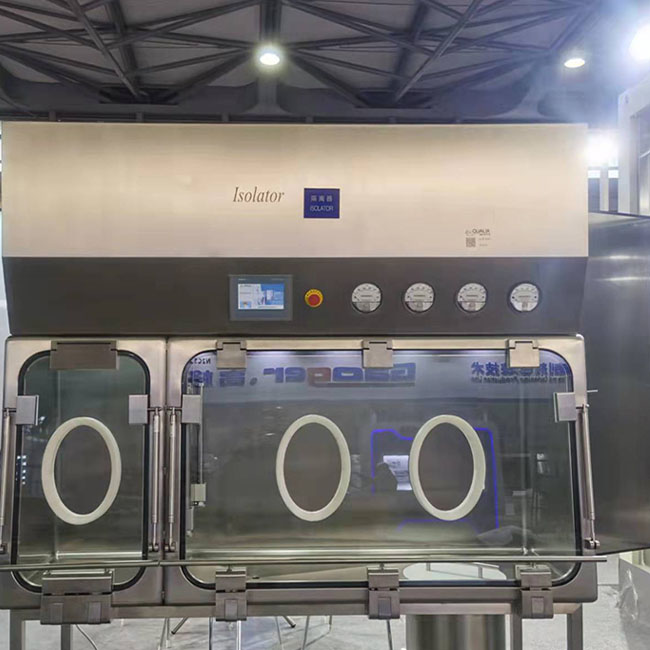
Validating compliance for isolator systems is essential for ensuring product safety, personnel protection, and adherence to regulatory standards. By implementing regular inspection and testing services, businesses can maintain operational integrity, reduce risks, and avoid costly penalties. Best practices such as routine maintenance, staff training, and thorough documentation help ensure isolator systems perform optimally and remain compliant with industry regulations. Regular inspections and third-party services proactively identify and address issues before they escalate into costly problems. Businesses that prioritize compliance validation are better equipped to navigate regulations, ensuring safety and product quality. Qualia's Isolator Technology offers a secure, contaminant-free workspace for critical processes in pharmaceutical manufacturing and research. Designed with ergonomics in mind, these isolators maintain strict biosafety standards, providing a reliable solution that supports both operational efficiency and regulatory compliance, ensuring that businesses can meet the highest industry standards while optimizing their processes.
Tip: Implement a comprehensive documentation system for all isolator inspections and test results. This will not only help during audits but also provide valuable insights for continuous improvement and compliance.
FAQ
Q: What is an isolator system?
A: An isolator system is a sealed environment used to prevent contamination during sensitive processes such as pharmaceutical production or biological research. It ensures that the product remains sterile or uncontaminated by isolating hazardous substances or materials, protecting both personnel and the product.
Q: Why is validating compliance important for isolator systems?
A: Validating compliance is crucial for ensuring that isolator systems meet regulatory standards, such as FDA and GMP guidelines. Regular testing and inspections help maintain safety, prevent contamination, and ensure that isolators function properly, minimizing risks and ensuring product quality.
Q: How often should isolator systems be tested?
A: Isolator systems should be tested regularly, with frequency determined by usage, regulatory requirements, and manufacturer recommendations. Common tests include air leakage, microbiological, and pressure decay tests, which should be conducted periodically to ensure continued compliance and operational integrity.
Q: What are the benefits of regular inspection and testing for isolator systems?
A: Regular inspection and testing of isolator systems help identify potential issues early, prevent contamination, and ensure compliance with industry regulations. This reduces downtime, mitigates risks, and ensures consistent product quality, ultimately protecting both public health and business reputation.


