Introduction
In the fast-paced pharmaceutical industry, efficiency and safety are critical. Controlling contamination and optimizing production are constant challenges for manufacturers. Turnkey isolator solutions provide a reliable way to streamline production and ensure the highest standards of containment. In this article, we will discuss how isolators enhance pharmaceutical production efficiency, reduce contamination risks, and improve overall product safety.
What is a Turnkey Isolator Solution for Pharmaceutical Containment?
Understanding Turnkey Isolator Systems
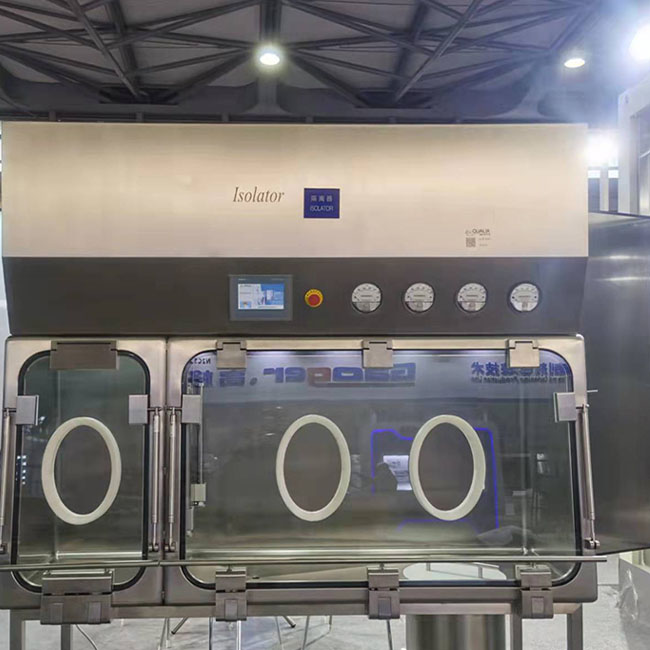
A turnkey isolator solution is an automated containment system designed to isolate sensitive pharmaceutical products from environmental contaminants. These systems are typically custom-designed to fit the specific needs of a production facility and include all necessary components for installation and operation. "Turnkey" means that the system is delivered fully assembled, tested, and ready to be integrated into the existing production setup.
The isolator itself is a sealed environment, often with integrated controls, air filtration systems, and monitoring technologies. It protects the product from exposure to external factors like bacteria, viruses, dust, and even operator handling, which is essential for ensuring the purity and safety of the product being manufactured.
The Role of Isolators in Pharmaceutical Manufacturing
Isolators play a crucial role in pharmaceutical manufacturing by providing a controlled and contained environment that minimizes the risk of contamination. Pharmaceutical products, particularly sterile drugs, vaccines, and biologics, are highly sensitive to environmental factors. A slight contamination can result in product recalls, regulatory issues, and even harm to patients.
Isolators help maintain a sterile environment by preventing airborne particles, microbes, and other contaminants from entering the production zone. They also reduce the chances of cross-contamination between different stages of the production process, ensuring that each batch of drugs remains pure and effective.
Key Features of Turnkey Isolator Solutions
Turnkey isolators come equipped with several key features designed to streamline production while maintaining stringent containment standards. These include:
● Automated Control Systems: Modern isolators are integrated with state-of-the-art automation systems, allowing for precise control over factors like pressure, temperature, humidity, and airflow.
● High-Efficiency Particulate Air (HEPA) Filtration: HEPA filters are employed to ensure that airborne contaminants are captured, maintaining a cleanroom-level environment within the isolator.
● Customizable Designs: Isolators can be customized to fit the specific needs of pharmaceutical manufacturers, whether for aseptic filling, sterile packaging, or handling hazardous materials.
● Real-Time Monitoring: With built-in sensors and monitoring systems, isolators provide real-time data on the internal environment, helping manufacturers maintain optimal conditions.
Benefits of Turnkey Isolator Solutions in Pharmaceutical Production
Increased Production Efficiency
One of the most significant advantages of using a turnkey isolator solution is the improvement in production efficiency. Traditional pharmaceutical production environments often require extensive manual handling, multiple operator interventions, and lengthy sterilization processes. Isolators streamline these steps by automating many tasks, reducing the time spent on manual operations and allowing for faster cycle times.
By minimizing the need for operator involvement, isolators help increase throughput and reduce the risk of human error, leading to a more efficient production process overall.
Enhanced Containment and Compliance
Contamination control is a top priority in pharmaceutical manufacturing, particularly when dealing with high-potency drugs, biologics, or sterile products. Turnkey isolators ensure that production processes meet strict regulatory standards set by authorities like the FDA, EMA, and other governing bodies.
These systems are designed to provide the highest level of containment, preventing exposure to hazardous substances and ensuring compliance with Good Manufacturing Practice (GMP) standards. By maintaining a sealed environment, isolators also reduce the need for extensive cleanroom spaces, further improving cost-efficiency.
Improved Product Quality
With a turnkey isolator solution, pharmaceutical manufacturers can guarantee the purity of their products. The controlled environment minimizes the risk of contamination from external sources, such as airborne particles or microbial growth, ensuring that every batch of pharmaceuticals meets the required quality standards.
Moreover, isolators protect products from temperature fluctuations and humidity changes that can affect the stability and efficacy of sensitive drugs. This results in a higher-quality product, fewer rejects, and improved customer satisfaction.
Cost Efficiency Over Time
While the initial investment in a turnkey isolator solution may seem high, the long-term benefits far outweigh the costs. The system’s ability to reduce contamination risks, improve efficiency, and minimize product waste ultimately leads to substantial cost savings.
Additionally, isolators reduce the need for extensive cleaning, sterilization, and manual handling, lowering operational costs and minimizing downtime.
Streamlining Production: How Turnkey Isolators Improve Efficiency
Reducing Cycle Time with Turnkey Solutions
Cycle time is a critical factor in pharmaceutical production, and any reduction in cycle time directly improves overall efficiency. Turnkey isolators streamline production processes by automating tasks like aseptic filling, packaging, and material handling. This automation reduces the need for manual interventions, which can be time-consuming and prone to errors.
By eliminating the need for labor-intensive steps, isolators enable manufacturers to produce more units in less time, ultimately increasing output without compromising quality.
Improving Worker Productivity
The automation provided by turnkey isolators also helps improve worker productivity. With fewer manual tasks, employees can focus on more complex or value-added activities, such as monitoring production systems or conducting quality control inspections. This shift not only enhances worker morale but also allows for better use of skilled labor.
Moreover, the reduced need for manual handling means fewer human errors, leading to higher consistency and fewer disruptions during production runs.
Integration with Existing Systems
Turnkey isolator solutions are designed to integrate seamlessly with existing pharmaceutical production systems. Whether the goal is to upgrade an existing facility or integrate isolators into a new one, these systems can be customized to work with other equipment, such as filling machines, inspection stations, and packaging lines.
This integration simplifies the production flow, minimizes disruptions, and ensures that the isolator system enhances rather than disrupts existing processes.
How Turnkey Isolators Support Pharmaceutical Containment and Safety
Ensuring Safe Handling of Hazardous Materials
Many pharmaceutical products, particularly in the realm of oncology or biologics, are hazardous and require special handling. Turnkey isolators provide a safe, contained environment that protects operators from exposure to toxic or hazardous substances. The sealed environment within the isolator ensures that any hazardous materials are confined to the system and cannot escape into the surrounding environment.
This containment is critical not only for worker safety but also for maintaining product integrity. Ensuring that hazardous materials do not cross-contaminate products is a key concern in pharmaceutical manufacturing.
Preventing Cross-Contamination
Cross-contamination is one of the most significant risks in pharmaceutical production. With multiple products being processed in the same facility, the risk of contamination from one batch to another can be high. Turnkey isolators address this issue by providing a completely enclosed environment for each production process, ensuring that different products never come into contact with one another.
This sealed containment also prevents contamination from the outside environment, which is particularly crucial for sterile products and vaccines.
Enhancing Environmental Control
Controlling the environment within a pharmaceutical production facility is essential to maintaining product quality and safety. Turnkey isolators help maintain the right conditions by controlling factors such as air pressure, humidity, and temperature.
By ensuring consistent environmental conditions, isolators prevent fluctuations that could affect the stability of sensitive drugs or biological products. This level of environmental control is essential for maintaining product integrity throughout the production process.
Selecting the Right Turnkey Isolator Solution for Pharmaceutical Applications
Factors to Consider When Choosing Isolators
Selecting the right turnkey isolator solution for a pharmaceutical application involves considering several factors:
● Production Volume: Larger-scale operations may require isolators with higher throughput capabilities.
● Contamination Risk: The level of contamination risk associated with the product being produced will dictate the level of containment needed.
● Regulatory Requirements: Ensure that the isolator meets all necessary GMP and regulatory guidelines.
● Customization Needs: Custom features like specialized filtration or automated controls may be necessary depending on the production process.
Customization Options in Turnkey Isolators
Turnkey isolators are highly customizable to meet the specific needs of each pharmaceutical manufacturer. Whether it’s integrating advanced monitoring systems, configuring specialized air filtration, or adapting the isolator’s size and layout, customization options allow manufacturers to design a solution that fits perfectly into their production environment.
Evaluating Cost-Effectiveness and ROI
When evaluating turnkey isolator solutions, it’s important to consider both upfront costs and long-term ROI. While the initial investment can be significant, the long-term benefits—such as increased efficiency, reduced contamination risk, and improved product quality—make isolators a highly cost-effective solution for pharmaceutical companies.
Common Challenges and How Turnkey Isolators Address Them
Overcoming Initial Investment Concerns
The initial investment in a turnkey isolator solution can be a significant concern for some pharmaceutical manufacturers. However, the long-term cost savings from increased production efficiency, reduced waste, and lower contamination risks make isolators a smart investment. Many manufacturers find that the cost savings and increased production output quickly justify the initial cost.
Handling Maintenance and Upkeep
Turnkey isolators are designed to be low-maintenance systems, but like any complex piece of equipment, they require regular checks and servicing. Manufacturers should plan for periodic maintenance to ensure that the isolator continues to operate efficiently and remains compliant with regulations.
Adapting to Technological Advancements
As technology advances, pharmaceutical manufacturers will need isolators that can evolve to meet new production demands. Turnkey isolators are designed to be flexible and adaptable, allowing manufacturers to incorporate new technologies and systems as needed. This adaptability ensures that the isolator will remain effective for many years, even as the industry evolves.
Comparison Table: Traditional Production vs. Turnkey Isolator Systems
Feature | Traditional Production | Turnkey Isolator Systems |
Production Efficiency | Lower, with more manual steps | Higher, with automated processes |
Contamination Control | Lower, higher contamination risk | High, reduced risk of contamination |
Cost of Maintenance | Higher, due to manual labor and frequent cleanings | Lower, as systems require less manual intervention |
Cycle Time | Longer due to manual processes | Shorter, due to automation and efficiency |
Worker Productivity | Lower, as more tasks are manual | Higher, as workers focus on oversight and maintenance |
Regulatory Compliance | More challenging to maintain | Easier to maintain due to built-in features |
Conclusion
Turnkey isolator solutions represent the future of pharmaceutical production. They provide pharmaceutical manufacturers with the tools to streamline operations, enhance product quality, and reduce contamination risks. By investing in these systems, companies not only ensure compliance with the highest industry standards but also position themselves for long-term success in a competitive and demanding market.
As pharmaceutical production continues to evolve, turnkey isolators will remain at the forefront, offering innovative solutions to meet the ever-increasing demands for efficiency, safety, and quality. Manufacturers should embrace these advanced systems to future-proof their operations and stay ahead of the competition.
Qualia's Isolator technology offers a secure, contaminant-free workspace for critical processes in pharmaceutical manufacturing and research. These isolators are designed for ergonomic use while maintaining strict biosafety standards. Qualia provides full-scale Turnkey Project solutions, including custom design and integration with other cleanroom equipment such as Pass Box systems.
FAQ
Q: What is a turnkey isolator solution for pharmaceutical containment?
A: A turnkey isolator solution is an all-in-one system designed to provide a contained environment for pharmaceutical production, preventing contamination and ensuring sterility. These isolators are customizable, ready-to-use solutions that integrate seamlessly into production lines to protect sensitive products.
Q: How does a turnkey isolator improve production efficiency?
A: A turnkey isolator streamlines production by automating key processes, reducing manual handling, and ensuring consistent environmental conditions. This leads to shorter cycle times, reduced contamination risks, and overall higher throughput in pharmaceutical manufacturing.
Q: Why should I choose a turnkey isolator solution for pharmaceutical containment?
A: Choosing a turnkey isolator ensures maximum containment, compliance with regulatory standards, and improved product quality. These systems are specifically designed to reduce contamination and support efficient production, making them ideal for sensitive pharmaceutical manufacturing processes.
Q: How does a turnkey isolator solution compare to traditional containment methods?
A: Compared to traditional containment methods, turnkey isolators provide better automation, reduced human error, and consistent environmental control. They offer more efficient production with higher containment levels and compliance, leading to enhanced product quality and safety.


