1. Introduction
High-potency drugs are crucial for treating serious diseases, but they come with significant risks. These drugs can be toxic, carcinogenic, or deadly, posing threats to both workers and patients.In this article, we will explore how isolators ensure safety in handling these hazardous drugs. You'll learn how isolators help meet OEB standards, minimize risks, and maintain compliance.
2. Understanding OEB Standards for Drug Handling
What are OEB Standards?
The Occupational Exposure Band (OEB) system is an internationally recognized classification that helps to assess the risk of exposure to hazardous drugs in the pharmaceutical industry. These standards classify drugs based on their potency, with OEB bands ranging from 1 (low exposure risk) to 5 (high exposure risk). Each level corresponds to specific containment requirements designed to prevent exposure to airborne drugs and particulates during the manufacturing process.
Why OEB Classification is Important:
● Health Risk Assessment: The OEB system ensures that hazardous drugs are identified and handled appropriately based on their risk profiles.
● Guided Safety Measures: By classifying drugs, pharmaceutical manufacturers can implement the correct safety systems and containment strategies.
● Compliance and Regulation: The OEB system is widely accepted across the pharmaceutical industry, and adherence to these standards is mandatory in many countries to ensure workplace safety.
OEB Levels and Their Containment Requirements
OEB Band | Potency Level | Required Containment Measures | Examples of Drugs in This Category |
OEB 1 | Low Potency | Basic PPE, standard containment measures | Non-toxic medications, vitamins |
OEB 2-3 | Moderate Potency | Isolators, high-efficiency filtration, controlled environment | Antibacterial drugs, anti-inflammatory medications |
OEB 4-5 | High Potency (e.g., cytotoxic drugs, hormones) | Advanced isolators, fully sealed environments, automated monitoring | Chemotherapy drugs, hormones, steroids |
The table above illustrates how the potency of a drug directly influences the safety measures required during handling. For high-potency drugs (OEB 4 and 5), isolators are necessary to ensure that workers are not exposed to harmful drugs during manufacturing, packaging, or testing.
Why OEB Compliance Matters
The risks associated with handling high-potency drugs are significant. Exposure to these drugs can result in severe health issues such as carcinogenesis, reproductive harm, or organ toxicity. Therefore, the pharmaceutical industry is under considerable pressure to implement and maintain strict safety measures to protect workers.
OEB standards are essential for ensuring the safety and well-being of employees, minimizing health risks, and complying with legal regulations. Failing to adhere to OEB standards can have dire consequences, including:
● Increased health risks to workers: Prolonged exposure to hazardous drugs can lead to long-term health problems, affecting both individual workers and the workforce as a whole.
● Legal and financial implications: Non-compliance with OEB standards can result in fines, legal action, and costly worker compensation claims.
● Damage to brand reputation: A pharmaceutical company that fails to meet safety standards risks losing its reputation and the trust of customers and regulators.
3. How Isolators Ensure Safety in High-Potency Drug Handling
Isolators: A Critical Safety Component
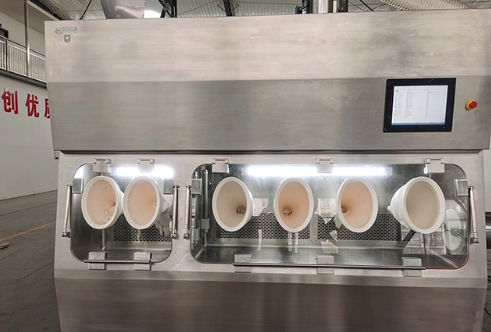
Isolators are self-contained systems used to handle hazardous substances safely. These systems are designed to create a physical barrier between operators and harmful drugs, allowing workers to interact with substances without direct contact.
Isolators play a crucial role in pharmaceutical environments where high-potency drugs are manufactured, processed, or tested. They are equipped with various safety features designed to prevent the escape of toxic substances and protect both the operator and the surrounding environment.
Key features of isolators include:
● Airtight Seals: These prevent the escape of airborne contaminants, ensuring that harmful drugs remain contained within the isolator.
● Negative Pressure Systems: Isolators use negative pressure to draw air into the chamber, ensuring that no contaminants escape into the external environment.
● High-Efficiency Particulate Air (HEPA) Filters: These filters capture airborne particles, ensuring that the air inside the isolator is free of contaminants.
● Automated Monitoring Systems: These systems continuously monitor environmental conditions, such as airflow, temperature, humidity, and pressure, and alert operators to any breaches in safety protocols.
By providing a safe, contained environment, isolators allow for the effective handling of dangerous substances while minimizing the risk of exposure.
Preventing Cross-Contamination
Cross-contamination is a major concern in pharmaceutical manufacturing. Even minute traces of one drug contaminating another can lead to serious consequences. Isolators are designed to create a physically and environmentally controlled space, minimizing the risk of cross-contamination between drugs, operators, and equipment.
How isolators prevent cross-contamination:
● Negative Pressure: By maintaining a lower pressure inside the isolator, any air drawn into the system is directed through HEPA filters, which remove any contaminants.
● Barrier Technology: Isolators are designed with glove ports and robotic arms to allow for safe manipulation of substances without breaking the containment barrier.
● Separate Zones: Some isolators are designed with multiple zones or chambers, where different tasks can be performed without the risk of transferring contaminants from one area to another.
By preventing cross-contamination, isolators ensure the purity of each batch of drugs and protect workers from unnecessary exposure to harmful substances.
Protecting Operators from Exposure
One of the primary roles of isolators is to protect workers from exposure to hazardous drugs. The physical containment of the drugs ensures that operators are not exposed to potentially harmful substances during the manufacturing process.
How isolators protect operators:
● Glove Ports and Robotic Systems: Workers interact with the drugs through glove ports or robotic arms, avoiding direct contact with the substances.
● Airtight Construction: The isolator is sealed to prevent any airborne contaminants from escaping.
● Advanced Ventilation Systems: Ensures that any fumes or airborne particulates are filtered out, maintaining a clean and safe work environment.
This level of protection is essential in preventing workplace accidents, protecting workers' health, and ensuring compliance with OEB safety standards.
4. Key Features of Isolators for Meeting OEB Standards
Design and Material Considerations
The materials and design of an isolator are integral to its ability to meet OEB safety standards. The materials used must be resistant to chemical corrosion and able to withstand the pressure differentials necessary for maintaining airtight seals.
Material Choices for Isolators:
● Stainless Steel: Commonly used for the frame and outer shell due to its durability, resistance to corrosion, and ease of cleaning.
● Polycarbonate: Used for the viewing windows and glove ports, offering visibility while maintaining strength and chemical resistance.
● High-Grade Silicone Seals: Ensures airtight closure around glove ports, entry points, and seams.
These materials provide the necessary strength and resilience for isolators to function effectively in highly controlled pharmaceutical environments.
Automated Systems for Enhanced Safety
Automation is an essential aspect of modern isolators. By incorporating automated features, isolators can consistently maintain safety protocols, reducing the risk of human error. Automated systems can monitor environmental conditions and adjust containment levels accordingly.
Automated features:
● Real-Time Monitoring: Automated sensors track parameters like air pressure, temperature, and humidity to ensure that all conditions remain within the required safety ranges.
● Alarms and Notifications: If any environmental conditions fall outside safe levels, the system will immediately alert the operator, allowing for timely corrective action.
● Data Logging: These systems store data on environmental conditions, which is crucial for audits and regulatory compliance.
Automation ensures that isolators are always operating within the set safety limits, providing consistent protection for both operators and the drugs being handled.
Compliance with GMP (Good Manufacturing Practices)
Isolators are an essential component in ensuring compliance with Good Manufacturing Practices (GMP). These guidelines are intended to ensure that drugs are produced consistently and under the highest quality conditions. Isolators help pharmaceutical companies maintain GMP compliance by providing the necessary containment, preventing contamination, and allowing for the effective monitoring of environmental conditions.
How isolators contribute to GMP:
● Maintaining a Controlled Environment: Isolators ensure that temperature, humidity, and particulate levels remain within the required ranges, as outlined in GMP guidelines.
● Quality Control: Automated systems track and log data for traceability, providing a record of all actions taken within the isolator.
● Ease of Cleaning: The design of isolators allows for easy cleaning and maintenance, ensuring that all surfaces are free from contaminants and residues.
5. Real-World Applications of Isolators in Pharmaceutical Manufacturing
Case Studies of Isolator Usage
Several pharmaceutical companies have adopted isolators in their production lines to meet OEB standards. For example, a global pharmaceutical leader in the production of chemotherapy drugs implemented isolators that helped reduce worker exposure by 40% and increased production efficiency by 30%. These isolators not only protected workers but also ensured that the drugs were produced in a safe and sterile environment, free from contamination.
Handling Specific Types of High-Potency Drugs
Isolators are crucial when handling specific types of high-potency drugs, such as chemotherapy drugs, hormonal treatments, and certain vaccines. These drugs often fall into the OEB 4 and OEB 5 categories, requiring the highest levels of containment. Isolators are specifically designed to meet these rigorous requirements by providing a completely sealed environment for drug handling.
6. Benefits of Using Isolators for Safety and Compliance
Minimizing Risk of Contamination and Exposure
Isolators significantly reduce the risk of contamination by providing a sealed, controlled environment for the handling of high-potency drugs. The airtight seals, negative pressure systems, and HEPA filtration ensure that any harmful substances are contained, preventing exposure to workers and the surrounding environment.
Improving Productivity and Efficiency
Isolators help streamline drug handling processes by reducing the need for manual interventions and minimizing downtime. Automated features allow for continuous operation, while maintaining the highest standards of safety. This increased efficiency leads to faster production times and better use of resources.
Long-Term Cost Benefits
While the initial investment in isolators can be substantial, the long-term savings far outweigh the costs. By preventing workplace accidents, reducing the need for PPE, and ensuring regulatory compliance, isolators offer significant cost savings. Furthermore, they help avoid potential product recalls and legal fees that could arise from non-compliance with OEB standards.
7. Conclusion
Summary of Key Points
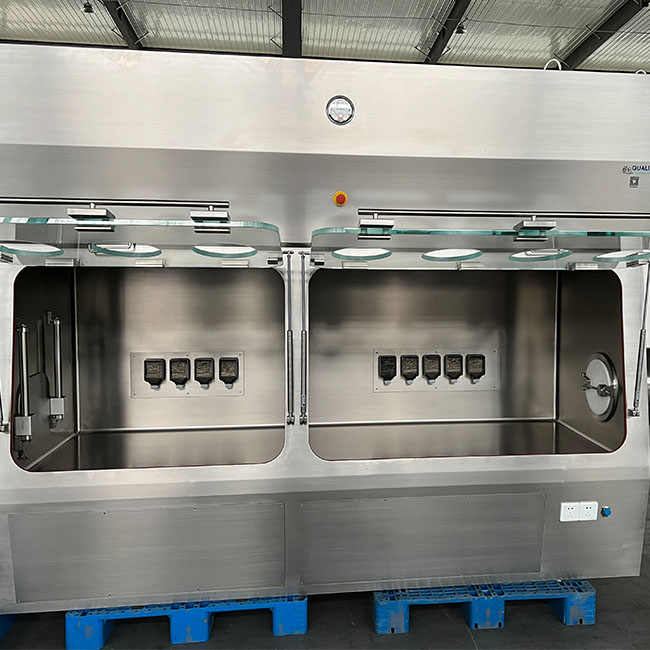
Isolators are an essential tool for ensuring safety in the handling of high-potency drugs. By meeting OEB standards, isolators protect workers, prevent cross-contamination, and help pharmaceutical companies comply with regulatory guidelines. Their design features—such as airtight seals, automated monitoring, and high-efficiency filtration systems—make them indispensable for safely handling toxic substances in pharmaceutical manufacturing. Qualia's Isolator technology offers a secure, contaminant-free workspace for critical processes in pharmaceutical manufacturing and research. These isolators are designed for ergonomic use while maintaining strict biosafety standards. Additionally, Qualia provides full-scale Turnkey Project solutions, including custom design and integration with other cleanroom equipment such as Pass Box systems, ensuring a comprehensive approach to safety and operational efficiency.
Final Thoughts
Pharmaceutical companies must invest in isolators to protect their employees, maintain high standards of product quality, and comply with OEB safety regulations. While isolators require an upfront investment, the long-term benefits, including enhanced safety, efficiency, and cost-effectiveness, make them a valuable investment in the industry’s future.
FAQ
Q: What is an isolator, and how does it ensure safety in high-potency drug handling?
A: An isolator is a controlled containment system that provides a secure workspace for handling hazardous substances. It helps meet OEB safety standards for drug handling by maintaining an airtight environment, preventing exposure to toxic substances and ensuring worker safety.
Q: Why are isolators essential in pharmaceutical manufacturing?
A: Isolators are essential in pharmaceutical manufacturing because they ensure worker safety, prevent cross-contamination, and help meet OEB safety standards for drug handling. They provide a controlled environment for working with toxic substances like cytotoxic drugs, minimizing risks to personnel.
Q: How do isolators improve operational efficiency in drug handling?
A: Isolators improve operational efficiency by automating critical safety processes, reducing manual intervention, and maintaining consistent containment levels. This results in faster production times, fewer errors, and reduced downtime, all while ensuring compliance with OEB safety standards.
Q: What are the long-term benefits of using isolators for drug handling?
A: The long-term benefits of using isolators include improved safety, compliance with OEB safety standards, enhanced productivity, and reduced costs from minimizing exposure-related incidents. Investing in isolators also helps prevent contamination and maintains the quality of pharmaceutical products.


