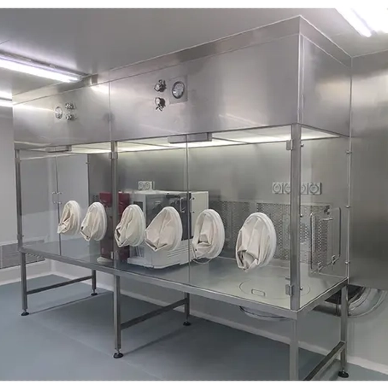
Laminar flow hoods are essential pieces of laboratory equipment used to maintain a clean, contamination-free environment. They are widely employed in pharmaceutical, biotechnology, microbiology, electronics, and food testing labs. The primary purpose of a laminar flow hood is to protect sensitive materials from airborne contaminants by creating a controlled, particle-free airflow over the workspace.
Selecting the right laminar flow hood is critical, as it directly impacts laboratory safety, operational efficiency, and experimental accuracy. With numerous models, sizes, and features available on the market, understanding the key factors to consider will ensure that you choose a hood that meets your specific needs. This article provides a detailed overview of the most important features to look for when choosing a laminar flow hood.
Airflow Type and Pattern
The type of airflow is a defining feature of any laminar flow hood. Airflow can be horizontal or vertical, each with its advantages depending on the application.
Horizontal Laminar Flow Hoods: In these units, air flows from the back of the cabinet toward the operator. This configuration provides a steady, uniform airflow over the work surface, making it ideal for tasks where contamination of materials must be minimized. Horizontal airflow hoods are commonly used in electronics assembly, pharmaceutical sample preparation, and sterile environments where operator contamination is less of a concern.
Vertical Laminar Flow Hoods: Air flows downward from the top of the cabinet onto the work surface, moving contaminants away from the operator and samples. Vertical hoods are preferred for microbiology, cell culture, and pharmaceutical compounding where minimizing contact with the operator is important.
Understanding your laboratory’s workflow and contamination risks will help determine the most suitable airflow type.
Filtration System
The filtration system is the heart of any laminar flow hood. HEPA filters (High-Efficiency Particulate Air) are standard in most hoods, capable of removing 99.97% of airborne particles as small as 0.3 microns. For applications requiring even higher levels of cleanliness, ULPA filters (Ultra-Low Penetration Air) can remove up to 99.999% of particles down to 0.12 microns.
When selecting a hood, consider the filter quality, size, and lifespan. High-quality filters ensure consistent airflow and superior protection for materials and experiments. Some hoods also include pre-filters that capture larger dust particles, prolonging the life of the HEPA or ULPA filter and reducing maintenance costs.
Airflow Velocity and Uniformity
Consistent airflow velocity is crucial for maintaining a contamination-free workspace. Hoods should provide laminar, non-turbulent airflow at a controlled speed. Variations in airflow or turbulence can create contamination zones that compromise samples or materials.
Modern hoods often include digital airflow monitoring systems, which display real-time airflow velocity and alert operators if deviations occur. This feature ensures that the hood maintains optimal performance and protects both samples and personnel effectively.
Work Surface Size and Ergonomics
The work surface should be sized to accommodate your laboratory’s typical equipment and workflow. Consider the dimensions, depth, and height of the hood, ensuring it can hold necessary instruments, containers, and tools without obstructing airflow.
Ergonomic design is equally important. Adjustable-height work surfaces, comfortable reach to the interior, and unobstructed access reduce operator fatigue and improve efficiency. Additionally, a spacious interior allows for proper organization of materials, minimizing the risk of accidental contamination.
UV Sterilization and Lighting
Many laminar flow hoods include UV sterilization lamps to disinfect the interior when the hood is not in use. UV light effectively kills bacteria, viruses, and fungi, ensuring that the workspace remains sterile between tasks. Operators should follow safety guidelines when using UV lamps, as exposure can be harmful to skin and eyes.
Adequate lighting is also essential for precision work. Integrated LED lighting provides uniform illumination across the work surface, reducing shadows and improving visibility, which is critical when handling small or delicate samples.
Safety Features
Although laminar flow hoods primarily protect materials rather than operators, safety features are still important. Look for hoods with:
Alarms for airflow failure: Alerts operators if airflow drops below safe levels.
Filter change indicators: Ensures timely replacement of HEPA or ULPA filters to maintain performance.
Emergency shut-off switches: Allows the hood to be turned off safely in case of malfunction.
Spill containment trays: Prevent liquids from contaminating the workspace or flowing into ventilation systems.
These features enhance both laboratory safety and operational reliability.
Noise Levels and Energy Efficiency
Laminar flow hoods operate continuously, so noise levels can affect the work environment. Look for models with quiet fan systems that do not distract operators.
Energy efficiency is also a key consideration, as hoods run for long periods. Models with efficient motors, energy-saving features, and properly sealed filtration systems reduce electricity consumption while maintaining airflow and protection standards. This is particularly important for laboratories with multiple hoods operating simultaneously.
Automation and Monitoring
Advanced laminar flow hoods come with automated control systems that regulate airflow, monitor filter status, and log usage data. Some models can integrate with laboratory management systems, providing real-time performance monitoring and maintenance alerts.
Automated hoods improve consistency, reduce human error, and support compliance with industry regulations. For laboratories that require high precision, automation ensures that protective airflow remains constant and contamination risks are minimized.
Material and Construction Quality
The durability of a laminar flow hood depends on its construction materials and build quality. Stainless steel interiors are common due to their resistance to corrosion, ease of cleaning, and ability to withstand repeated sterilization.
The exterior should be robust and designed to protect sensitive components like fans and filters. Sealed joints, smooth surfaces, and chemically resistant finishes make cleaning easier and reduce areas where contaminants can accumulate.
Flexibility and Customization
Different laboratories have varying requirements, so customizable hoods offer significant advantages. Features to consider include:
Adjustable airflow settings for different applications
Modular components for future upgrades
Multiple filter types for varying contamination control levels
Size options to fit specific workspace layouts
A flexible and customizable hood ensures that your laboratory can adapt to changing workflows and evolving research needs.
Maintenance and Serviceability
Regular maintenance is essential for long-term performance. Hoods should be easy to disassemble for filter replacement, cleaning, and inspection. Accessible components reduce downtime and allow laboratory staff to perform routine checks without specialized tools.
Service support from the manufacturer or supplier is also crucial. Warranties, technical guidance, and availability of replacement parts contribute to the overall reliability and lifespan of the laminar flow hood.
Conclusion
Choosing the right laminar flow hood is a critical decision for laboratory safety, operational efficiency, and experimental reliability. Key features to consider include airflow type, filtration system, airflow velocity, work surface ergonomics, UV sterilization, safety features, noise levels, energy efficiency, automation, construction quality, flexibility, and maintenance accessibility.
By prioritizing these factors, laboratories can select a laminar flow hood that meets their specific requirements, protects sensitive materials, enhances personnel safety, and supports consistent, high-quality results. For laboratories seeking reliable and advanced laminar flow solutions, Shanghai Qualia Biotechnology Co., Ltd. provides high-quality hoods designed to maintain clean, controlled environments while optimizing workflow efficiency and long-term performance.


