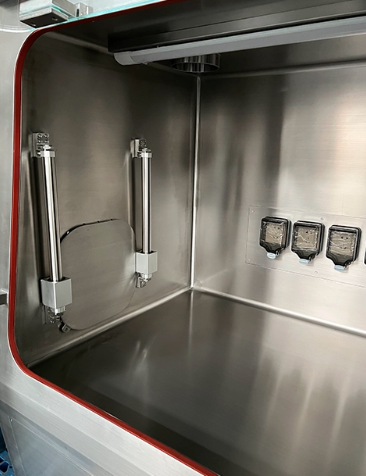
In pharmaceutical manufacturing, safety and sterility are non-negotiable. Every product, from injectable drugs to vaccines, must remain completely free from contaminants. Operators, meanwhile, must avoid exposure to potentially harmful compounds. Isolator systems are engineered precisely for these challenges. They create controlled, sterile environments where critical processes like filling, compounding, and packaging occur without risk of contamination.
They are essential in handling highly potent APIs (HPAPIs), cytotoxic drugs, and sterile pharmaceuticals. Beyond protection, isolators improve workflow efficiency, reduce human error, and support compliance with global regulatory standards. Today, they are central to modern pharmaceutical manufacturing, offering solutions that balance safety, sterility, and productivity.
Understanding Isolator Systems in Pharmaceutical Manufacturing
Isolator systems are specialized containment solutions. They separate products from the external environment and human operators. This ensures both product integrity and operator safety.
They differ from conventional cleanrooms and other containment solutions in several ways:
Open Containment Systems: Partial enclosures using airflow control and fume extraction. Suitable for low-risk operations but limited for HPAPIs or aseptic processes.
Closed Containment Systems: Fully enclosed equipment, preventing direct exposure. Common in powder handling or material transfers.
Isolator Systems: Maximum containment and sterility. The environment is fully controlled, often sterilized using vaporized hydrogen peroxide (VHP).
| Containment Type | Description | Best Use Case |
| Open Containment | Partial enclosure, airflow controls | Low to medium-risk lab operations |
| Closed Containment | Full enclosure, no direct exposure | Blending or milling powders |
| Isolator Systems | Maximum containment, sterilized environment | Sterile filling, handling HPAPIs |
They are designed for repeated use, integrating decontamination cycles, monitoring systems, and safe product transfer mechanisms. In practice, isolators are indispensable in industries where contamination could cause product recalls, regulatory fines, or harm to personnel.
Types of Isolator Systems
Aseptic Isolators
Aseptic isolators maintain completely sterile environments for drug manufacturing. They prevent microbial contamination during critical operations.
Features:
Positive pressure airflow keeps contaminants out.
HEPA filtration removes airborne particles.
Interior sterilization with vaporized hydrogen peroxide (VHP) ensures microbial control.
Applications:
Injectable drugs and vaccines.
Biologics requiring aseptic handling.
Sterile compounding and packaging processes.
Benefits:
Reduces contamination risks to nearly zero.
Eliminates human contact with sterile products.
Improves efficiency by automating filling and stoppering.
Containment Isolators
Containment isolators focus on protecting operators and the environment when handling toxic or highly potent APIs.
Features:
Negative pressure ensures harmful substances cannot escape.
Glove ports provide secure handling without direct exposure.
Full physical barriers isolate the product completely.
Applications:
Oncology drugs and cytotoxic therapies.
Hormonal and highly potent pharmaceuticals.
Research and development of toxic compounds.
Benefits:
Protects staff from inhalation, skin contact, or accidental spills.
Maintains cleanroom conditions without compromising safety.
Reduces environmental contamination risks.
Hybrid Isolators
Hybrid isolators combine aseptic and containment functionalities. They are versatile for modern pharmaceutical needs.
Advantages:
Handle both sterile and toxic products.
Minimize the need for separate isolators for different processes.
Save space and reduce capital expenditures.
Applications:
Facilities producing both sterile drugs and HPAPIs.
Compounding units in hospitals and biotech labs.
Advanced cell therapy or gene therapy processes requiring sterile yet safe handling.
| Type | Key Features | Applications | Benefits |
| Aseptic Isolator | Positive pressure, HEPA filters, VHP | Sterile drugs, vaccines, biologics | Zero contamination, automated filling |
| Containment Isolator | Negative pressure, glove ports, full barrier | Cytotoxic drugs, HPAPIs, toxic R&D | Operator safety, environmental protection |
| Hybrid Isolator | Mix of aseptic & containment features | Sterile + HPAPI production, cell therapy | Flexible, saves space & cost |
Key Components of Pharmaceutical Isolators
Isolators are more than enclosed boxes. They integrate multiple systems to maintain sterility and safety.
Glove Ports
Operators manipulate products through gloves built into the isolator. They never touch the product directly. Glove materials resist chemicals, pathogens, and mechanical stress.
Air Handling and Filtration
HEPA filters clean the air entering the system. Positive or negative pressure depends on the isolator type. Airflow design ensures laminar flow, preventing particles from contaminating products.
Transfer Systems
Rapid Transfer Ports (RTPs) allow materials to move in and out safely. They maintain the sterile or contained environment while minimizing human interaction.
Decontamination Systems
Vaporized hydrogen peroxide (VHP) or other sterilants clean the interior. Biological and chemical indicators confirm complete decontamination before operations begin.
Working Principles of Isolator Systems
1. Material Preparation
Before any pharmaceutical process begins, all materials must be fully sterilized or pre-treated. This includes vials, stoppers, instruments, and growth media. Rapid Transfer Ports (RTPs) and specialized decontamination chambers allow these materials to enter the isolator without introducing contaminants. Pre-sterilized or gamma-irradiated components are preferred to minimize microbial risk. Every item passes through carefully controlled procedures to ensure the initial environment inside the isolator remains clean.
2. Environmental Decontamination
Once materials are inside, the isolator itself undergoes thorough sterilization. Vaporized Hydrogen Peroxide (VHP) is commonly used. During the process, the sterilant is evenly distributed throughout the chamber, and dwell times are maintained to guarantee lethal exposure for all microbes. This step ensures that no microorganism survives on surfaces or in the air, establishing a contamination-free workspace for the upcoming operations.
3. Environmental Monitoring
Maintaining sterility requires constant oversight. Particle counters continuously track airborne particles, while settle plates and contact plates measure microbial presence on surfaces. This monitoring ensures the isolator environment stays within ISO 5 cleanroom limits, which is critical for aseptic manufacturing. Any deviation from the standard triggers immediate corrective actions to maintain compliance and product integrity.
4. Filling and Stoppering
Once the environment is verified as sterile, the filling process begins. Automated robotic arms handle vials or syringes, reducing human intervention and minimizing contamination risks. Laminar airflow provides a unidirectional stream of filtered air, preventing particles from settling on critical surfaces. After filling, containers are immediately stoppered and sealed, creating a closed system ready for further processing or packaging.
5. Operator Interaction
Operators interact with the isolator exclusively through glove ports. This zero-contact principle ensures no direct human contact with products. The gloves are made of chemically resistant and durable materials, allowing safe manipulation of delicate operations inside. Routine integrity tests verify that glove ports maintain airtight containment and prevent breaches.
6. Product Exit
After processing, sterile products are removed via controlled pathways, such as RTPs or pass-boxes. One-way transfer mechanisms ensure no back-contamination occurs during removal. This system maintains sterility throughout the exit process, keeping the isolator environment ready for the next batch without compromising safety.
7. Cleaning and Re-Decontamination
After each production batch, all internal surfaces undergo thorough cleaning using validated detergents or sporicides. The isolator then runs another VHP decontamination cycle to reset sterile conditions. Periodic media-fill simulations test the entire aseptic workflow, confirming that no microbial growth occurs. This combination of cleaning, decontamination, and testing ensures long-term sterility and operational reliability.
Applications in the Pharmaceutical Industry
Sterile Manufacturing: Filling, sealing, and packaging injectables, biologics, and vaccines.
HPAPI Production: Safe handling of cytotoxic or hormonal drugs.
Sterile Packaging: Ensures contamination-free sealing in vials, syringes, or ampoules.
Hospital and Specialty Pharmacies: Aseptic compounding for patient-specific medications.
R&D Labs: Sterile handling for cell therapy, gene therapy, and biotechnological experiments.
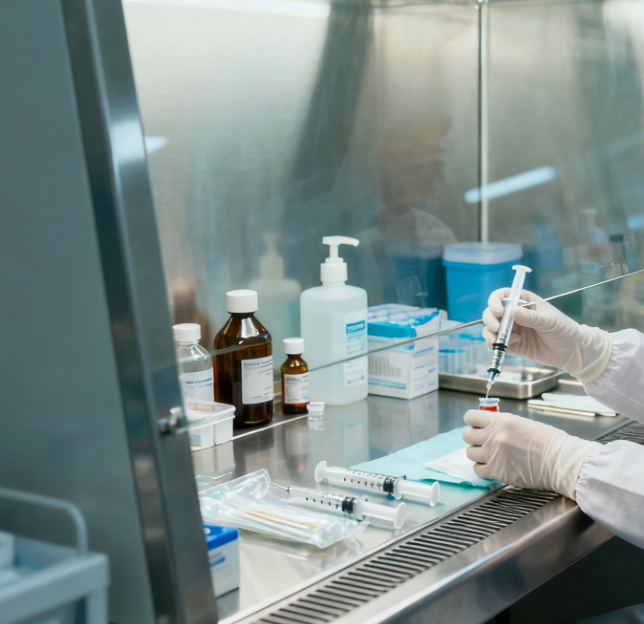
Challenges in Implementing Isolator Systems
High Initial Investment
One of the main barriers to adopting isolator systems is the high upfront cost. Purchasing the equipment, performing full validation, and training staff require significant capital. Smaller facilities may struggle to justify this initial expense, even though isolators improve sterility and safety long-term.
Complex Validation
Validation of isolators is a detailed, time-consuming process. Each system must meet strict regulatory standards, such as ISO 5 cleanroom limits or EU GMP Annex 1. Tests cover airflow, filter efficiency, glove port integrity, and sterilization effectiveness. Any deviation can require repeating steps, making compliance both technically demanding and labor-intensive.
Maintenance Requirements
Regular maintenance is essential for reliable isolator performance. HEPA filters need periodic replacement, glove ports must be inspected for leaks, and sterilization systems require routine checks. Neglecting maintenance can compromise both product sterility and operator safety, emphasizing preventive care.
Staff Training
Operators must follow precise protocols when working with isolators. Handling materials, interacting through glove ports, or performing decontamination steps requires careful attention. Even minor errors can lead to contamination or exposure to hazardous substances, so continuous training and monitoring are critical.
Future Trends in Isolator Technology
Robotic Integration
Automation is transforming isolator use. Robotic systems reduce human involvement, lowering the risk of contamination and human error. They can handle filling, stoppering, or material transfer more consistently than manual operations.
Advanced Simulation
3D modeling and airflow simulation improve both design and ergonomics. By simulating real-world conditions before installation, manufacturers can optimize isolator airflow patterns, glove placement, and workspace layout for maximum efficiency and safety.
Hybrid Systems
Hybrid isolators combine aseptic and containment features in a single system. They allow handling of both sterile products and highly potent APIs, saving space, reducing costs, and increasing operational flexibility in pharmaceutical facilities.
IoT and Smart Monitoring
Smart sensors and IoT devices provide real-time environmental monitoring. They detect air quality changes, track filter performance, and predict maintenance needs. This proactive approach ensures consistent sterility, regulatory compliance, and minimal downtime.
FAQ
What is an isolator system in pharmaceuticals?
An isolator system is a fully enclosed, controlled environment that separates products from operators and the surrounding air, preventing contamination during manufacturing.
Why are isolators important for handling HPAPIs?
Highly potent active pharmaceutical ingredients (HPAPIs) can be toxic. Isolators protect operators and prevent environmental contamination while maintaining product sterility.
How do aseptic isolators differ from containment isolators?
Aseptic isolators maintain sterile conditions for product safety, using positive pressure and HEPA filters, while containment isolators focus on operator and environmental safety, often using negative pressure for toxic substances.
How are isolators sterilized?
Isolators are typically sterilized using vaporized hydrogen peroxide (VHP) or other validated sterilants, ensuring internal surfaces and air remain free of microbes.
How is material transferred in and out of isolators safely?
Rapid Transfer Ports (RTPs) and pass-boxes allow materials to move in and out while maintaining a sealed, sterile or contained environment.
Conclusion
Isolator systems are at the heart of modern pharmaceutical manufacturing. They ensure products remain sterile, operators stay safe, and facilities comply with global regulatory standards. From handling highly potent APIs to aseptic filling of vaccines and biologics, these systems provide a controlled environment that minimizes contamination risks while improving workflow efficiency.
As pharmaceutical processes become more complex, the adoption of advanced isolators—whether aseptic, containment, or hybrid—is no longer optional but essential. Innovations like robotic integration, smart monitoring, and 3D airflow simulation continue to enhance performance, safety, and productivity across facilities.
For manufacturers seeking reliable isolator solutions and comprehensive support, Shanghai Qualia Biotechnology Co., Ltd. offers state-of-the-art systems tailored to diverse pharmaceutical needs. Their expertise in designing, installing, and maintaining isolators ensures safe, sterile, and efficient operations, helping pharmaceutical companies meet today’s rigorous safety and quality standards.


