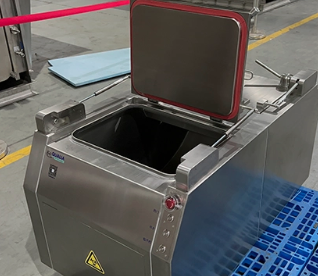
In modern high-containment laboratories, safety and sterility are non-negotiable. These labs handle viruses, bacteria, and pathogens that could pose serious threats to humans, animals, or the environment. A dunk tank provides a controlled way to disinfect small items, protective clothing, and tools before they leave the containment area. It immerses materials in disinfectant, ensuring complete inactivation of pathogens. When combined into turnkey decontamination systems, dunk tanks form the backbone of full biosecurity solutions, protecting staff, experiments, and facilities while maintaining efficiency.
Understanding Dunk Tanks in Biosafety Environments
What is a Cleanroom or Biosafety Dunk Tank?
A dunk tank is a specialized decontamination device. It differs from ordinary pass-through boxes by actively sterilizing items using chemical disinfectants. In BSL-3 and BSL-4 laboratories, it’s crucial to remove all traces of pathogens from items that cross containment boundaries.
These tanks are commonly used in pharmaceutical labs, biotechnology facilities, and research centers studying high-risk viruses. They allow researchers to handle materials safely without risking contamination. Beyond sterilization, dunk tanks contribute to workflow efficiency by providing a simple, repeatable method to disinfect items before transfer.
Key Features of Modern Dunk Tanks
Modern dunk tanks combine engineering, safety, and automation. Typical features include:
Stainless steel construction: 316L steel for the interior ensures resistance to corrosive disinfectants, while 304 stainless steel on the exterior handles impacts and temperature variations.
Airtight lids: Mechanically compressed lids prevent leaks and maintain containment even when the tank is empty.
Submersion plates or mesh systems: These hold items fully under disinfectant, avoiding incomplete sterilization.
PLC-controlled automation: Programmable cycles allow precise immersion timing and integration with alarms and monitoring systems.
Safety mechanisms: Emergency stop buttons, overflow protection, and interlocks safeguard operators at all times.
| Feature | Purpose |
| Stainless steel interior | Resists corrosion from disinfectants |
| Airtight lids | Prevents accidental contamination leaks |
| Submersion plate | Ensures complete chemical immersion |
| PLC automation | Delivers repeatable, controlled cycles |
| Alarms and sensors | Alerts operators to any operational issue |
These features make dunk tanks highly effective in high-containment environments, ensuring both safety and compliance.
Advantages of Using a Dunk Tank
Dunk tanks offer far more than simple surface cleaning. They are a critical tool in ensuring laboratory safety and maintaining strict biosecurity standards. Here’s how they help:
Inactivate pathogens completely: By fully immersing items in chemical disinfectants, dunk tanks neutralize dangerous microbes that could otherwise survive on surfaces. This drastically reduces the risk of contamination during transfer between cleanroom zones or containment areas.
Protect personnel: Staff handling items are exposed to fewer risks. The tank allows safe, hands-off sterilization, minimizing direct contact with potentially contaminated tools, clothing, or instruments.
Maintain environmental safety: Dunk tanks prevent pathogens from escaping into surrounding areas. By containing and neutralizing microbes within a controlled system, they help avoid cross-contamination and protect the lab environment.
Provide consistent results: Automated immersion cycles and programmable controls ensure every item is treated exactly the same way every time. This consistency is critical for compliance with GMP, ISO, and other regulatory standards, where repeatability is key.
Reduce operational costs: Modern dunk tanks are designed to be energy-efficient, sometimes including integrated recovery systems that reuse disinfectants safely. This not only cuts down on waste but also lowers operating expenses over time.
By integrating dunk tanks into your lab workflow, organizations can combine safety, reliability, and regulatory compliance into a single streamlined process. They form a cornerstone of high-containment laboratory operations, offering peace of mind and operational efficiency simultaneously.
Turnkey Decontamination Systems: Complete Biosecurity Solutions
What is a Turnkey Decontamination System?
A turnkey decontamination system is a fully integrated solution for laboratory biosecurity. It includes all equipment needed to handle, sterilize, and safely transfer items from high-risk areas.
Turnkey systems combine multiple components: effluent decontamination, dunk tanks, pass-through units, and automated monitoring. The result is a seamless, almost hands-free process. Staff spend less time managing individual steps and more time on research, while contamination risks drop significantly.
Core Components of a Turnkey System
A typical turnkey decontamination system includes:
Effluent decontamination systems (EDS): Treat liquid waste to neutralize pathogens.
Dunk tanks: Sterilize small tools, protective clothing, and instruments.
Pass-through airlocks: Maintain airflow and pressure barriers between zones.
PLC-based automation: Control immersion timing, alarms, and emergency responses.
Data logging systems: Capture cycles and performance metrics for compliance audits.
Benefits of turnkey integration:
Streamlines workflows and reduces manual errors.
Maintains high biosecurity across multiple processes.
Offers centralized monitoring and automated alerts.
Flexible and modular, allowing future expansions.
Integrating the Dunk Tank into Turnkey Systems
How Dunk Tanks Enhance Turnkey Biosecurity
Dunk tanks play a vital role in turnkey decontamination setups, providing a level of sterilization that complements other system components. They ensure small items, instruments, and protective gear are fully disinfected before leaving containment zones, preventing the spread of pathogens. By working alongside effluent decontamination systems (EDS) and airlock units, they form a complete sterilization workflow, covering both liquids and solid items. Their airtight construction further guarantees that microbes cannot escape into surrounding areas, maintaining a safe and controlled environment. In effect, dunk tanks create a continuous chain of biosecurity, where every item moving between zones is reliably treated and safe for handling.
Design Considerations
Integrating a dunk tank into a turnkey system requires careful planning. Placement is crucial: it should be located near containment barriers to streamline workflow and reduce unnecessary movement of items. Wall compatibility is another key factor; the tank must be adjusted to fit stud, block, or cast concrete walls without compromising airtightness or accessibility. The operation mode should be selected based on lab workflow and personnel preferences, whether manual, semi-automatic, or fully automated. Finally, the system interface must integrate with PLC controls, alarms, and monitoring systems to provide full visibility and control over every cycle. Planning for these factors during the design phase minimizes downtime, avoids workflow interruptions, and ensures maximum efficiency and safety.
Operational Workflow
The operational workflow of a dunk tank is straightforward but highly effective. First, items are placed securely on the submersion plate or mesh tray, ensuring they are fully exposed to disinfectant. Next, the tank automatically fills with the appropriate chemical solution. The immersion cycle then runs according to the pre-programmed PLC settings, guaranteeing consistent sterilization for every item. Once the cycle completes, an alarm signals that items are safe to retrieve, providing clear confirmation to staff. Finally, a recovery claw or plate is used to remove items safely without manual contact with the disinfectant. This workflow ensures both consistent sterilization and protection for personnel, while maintaining the integrity of lab equipment and preventing contamination between cleanroom zones.
Choosing the Right Dunk Tank for Your System
Factors to Consider
When selecting a dunk tank:
Size and capacity: Must accommodate all items comfortably.
Material durability: Resistant to chemical disinfectants and temperature changes.
Automation features: PLC timing, alarms, and interlocks enhance safety.
Airtight performance: Meets BSL-3 or BSL-4 containment requirements.
Customization options: Vision panels, lighting, gassing ports, or wall adjustments for specific lab needs.
Working with Experienced Suppliers
Choosing an experienced supplier is essential when integrating a dunk tank into a turnkey decontamination system. A skilled provider can guide you through design, installation, and validation, ensuring that every component meets stringent biosafety and cleanroom standards. They also guarantee smooth integration with other system elements, such as effluent decontamination units, airlocks, and automated control systems, helping to maintain an uninterrupted workflow and reducing operational risks.
Shanghai Qualia Biotechnology Co., Ltd. is a comprehensive high-tech enterprise that excels in biosafety protection and industrial equipment. The company’s expertise spans production, processing, technical services, cleaning materials, design consulting, and verification services, making it a one-stop partner for cleanroom and high-containment laboratory projects. Qualia’s core team, composed of senior engineers with over 10 years of industry experience, not only manufactures high-quality biosafety equipment but also provides professional design consulting, project construction, integrated management, and after-sales support. Their mission is to create a first-class biosafety and clean system enterprise that embodies safety, professionalism, efficiency, cleanliness, and energy conservation.
With Shanghai Qualia Biotechnology’s support, laboratories can acquire not only reliable protective equipment but also comprehensive technical guidance, ensuring a safe, compliant, and efficient biosafety and clean production environment. The company’s subordinate production base, Jiangsu Qualia Equipment Manufacturing Co., Ltd., further guarantees consistent quality and rapid delivery for turnkey projects of any scale.

Frequently Asked Questions
What is a dunk tank used for in high-containment laboratories?
A dunk tank is used to disinfect small items, tools, and protective clothing by immersing them in chemical disinfectants, ensuring complete inactivation of pathogens before items leave containment zones.
How does a dunk tank differ from a standard pass-through box?
Unlike a standard pass-through box, a dunk tank actively sterilizes materials using disinfectants, rather than just providing a barrier for clean transfer.
Which biosafety levels require the use of a dunk tank?
Dunk tanks are commonly used in BSL-3 and BSL-4 laboratories, where maintaining strict containment and complete pathogen inactivation is critical.
How are dunk tanks integrated into turnkey decontamination systems?
Dunk tanks are placed near containment barriers and work alongside effluent decontamination systems, pass-through airlocks, and automated monitoring systems to form a complete sterilization workflow.
Can dunk tanks handle different types of items?
Yes, dunk tanks can disinfect small tools, protective clothing, laboratory instruments, and other items, and can be customized with mesh trays or submersion plates to ensure full immersion.
Conclusion
In today’s high-containment laboratory environments, maintaining complete biosecurity is essential. Integrating a dunk tank into a turnkey decontamination system ensures that every item, from small tools to protective gear, is fully sterilized before leaving containment zones. By combining automated controls, airtight design, and efficient workflow integration, laboratories can protect personnel, maintain environmental safety, and comply with stringent biosafety standards—all while streamlining operations and reducing risk.
Shanghai Qualia Biotechnology Co., Ltd. offers comprehensive solutions for laboratories seeking advanced biosafety and cleanroom systems. With expertise spanning equipment production, design consulting, verification services, and technical support, Qualia provides turnkey solutions that combine safety, efficiency, and reliability. Their senior engineering team and subordinate production base, Jiangsu Qualia Equipment Manufacturing Co., Ltd., ensure that every project receives high-quality equipment and professional guidance, helping laboratories achieve a fully compliant, safe, and efficient biosecure environment.


