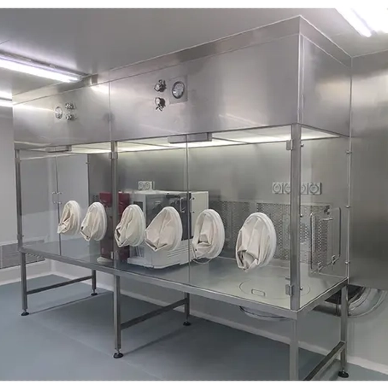
Laminar flow hoods are vital laboratory tools used to maintain a contamination-free workspace, protecting sensitive materials, experiments, and products. Found in pharmaceutical, biotechnology, microbiology, electronics, and food testing laboratories, these devices rely on HEPA or ULPA filtration systems to create a controlled, particle-free airflow over the work surface.
Proper maintenance and cleaning of a laminar flow hood are essential for ensuring consistent performance, prolonging the life of the equipment, and safeguarding laboratory safety. Neglecting these tasks can lead to compromised airflow, contamination, equipment failure, and increased operational costs. This article provides a comprehensive guide on how to maintain and clean laminar flow hoods effectively, with practical tips and best practices for laboratory personnel.
Understanding the Components of a Laminar Flow Hood
Before diving into cleaning and maintenance procedures, it is important to understand the primary components of a laminar flow hood:
HEPA or ULPA Filter: Removes airborne contaminants such as dust, microbes, and particles.
Fan or Blower: Circulates air through the filtration system to create a laminar airflow.
Work Surface: The area where laboratory tasks are performed. It must remain free of particles and spills.
UV Sterilization Lamp: Optional feature for disinfecting the workspace when not in use.
Airflow Sensors and Monitors: Ensure consistent airflow and alert operators to issues.
Knowledge of these components helps guide proper cleaning and maintenance routines, ensuring optimal hood performance.
Daily Maintenance and Cleaning Practices
Daily cleaning and maintenance are critical to maintaining a contamination-free workspace and preventing minor issues from escalating. Recommended daily practices include:
1. Wipe Down the Work Surface
Before starting any work, disinfect the work surface with an appropriate laboratory-grade disinfectant, such as 70% ethanol or isopropyl alcohol. Pay attention to corners, edges, and areas near airflow vents to remove dust, microbial contaminants, or chemical residues.
2. Minimize Clutter
Organize equipment and materials to avoid blocking airflow. Keeping the work area clean and organized not only improves efficiency but also prevents turbulence that could compromise sterile conditions.
3. Check Airflow Indicators
Modern laminar flow hoods are equipped with airflow monitors or alarms. Verify that airflow is within the recommended range before beginning experiments. Consistent laminar airflow ensures that contaminants are properly removed from the workspace.
4. UV Lamp Precautions
If your hood has a UV sterilization lamp, use it according to manufacturer guidelines. UV light is effective in reducing microbial contamination but should only be operated when no personnel are present, as it can cause skin or eye damage.
Weekly Cleaning Procedures
Weekly maintenance focuses on deeper cleaning and inspection to prevent long-term contamination and equipment degradation.
1. Clean Interior Surfaces
Thoroughly wipe down all interior surfaces, including walls, ceiling, and work surface. Use disinfectants suitable for your laboratory environment. For sticky residues or chemical spills, mild detergents may be used, followed by a disinfectant wipe to ensure sterilization.
2. Inspect Filters
Visually inspect the HEPA or ULPA filters for dust accumulation or damage. While routine cleaning of HEPA filters is generally not recommended, ensuring the filter is free of visible debris helps maintain airflow efficiency.
3. Clean Exterior Surfaces
The exterior of the hood should be wiped down to remove dust and spills. Pay attention to fan vents and grills, which can accumulate particles that may affect airflow.
4. Check Equipment Functionality
Inspect the fan, UV lamp, lighting, and airflow sensors to ensure proper operation. Replace bulbs or components as needed to maintain performance and safety standards.
Monthly and Periodic Maintenance
Monthly and periodic maintenance tasks focus on preventive care, ensuring that the laminar flow hood continues to function reliably over time.
1. Filter Replacement
HEPA or ULPA filters have a finite lifespan. Follow manufacturer recommendations for replacement, which may range from 12 to 36 months depending on usage and environment. Replace filters if airflow drops below recommended levels or if physical damage is detected. Proper filter replacement preserves clean airflow and protects samples.
2. Fan and Motor Inspection
Inspect the fan or blower for dust buildup, wear, or unusual noise. Clean components carefully, avoiding damage to the motor or internal electronics. Lubricate moving parts if recommended by the manufacturer.
3. UV Lamp Performance
Over time, UV lamps lose intensity. Measure UV output periodically and replace bulbs as needed to maintain effective sterilization. This ensures the hood continues to provide microbial control between experiments.
4. Calibration and Certification
Laminar flow hoods should be tested and certified periodically by qualified personnel. Certification ensures airflow velocity, filtration efficiency, and overall performance meet regulatory standards. Laboratories adhering to ISO, GMP, or other guidelines must maintain current certifications for compliance.
Best Practices for Cleaning and Maintenance
To maximize the lifespan and effectiveness of a laminar flow hood, laboratories should adopt the following best practices:
Follow Manufacturer Guidelines: Every hood has specific cleaning, maintenance, and operational instructions. Adhering to these ensures optimal performance and safety.
Use Compatible Cleaning Agents: Avoid harsh chemicals that can damage filters, surfaces, or seals. Only use disinfectants recommended by the manufacturer.
Maintain a Cleaning Schedule: Implement a structured cleaning and maintenance schedule, including daily, weekly, and monthly tasks. Consistency reduces the risk of contamination and equipment failure.
Train Personnel: Operators should be trained in proper cleaning techniques, safe use of UV lamps, and general maintenance procedures. Well-trained staff reduce the risk of accidental damage or contamination.
Document Maintenance: Keep detailed records of filter changes, repairs, airflow checks, and certifications. Documentation supports regulatory compliance and facilitates troubleshooting.
Common Issues and How to Address Them
Even with proper maintenance, laminar flow hoods may encounter issues. Understanding common problems and solutions helps minimize downtime:
Reduced Airflow: Often caused by clogged filters or fan issues. Inspect and replace filters or clean the fan assembly.
Excessive Noise: Can indicate worn bearings or motor issues. Check fan alignment, lubrication, and motor components.
UV Lamp Failure: Replace the bulb if the lamp does not emit adequate light. Ensure proper installation and safety precautions.
Surface Contamination: Usually due to improper cleaning or obstructed airflow. Reinforce daily cleaning routines and arrange materials to prevent airflow blockages.
Applications and Benefits of Properly Maintained Laminar Flow Hoods
Maintaining a clean, functional laminar flow hood benefits laboratories in numerous ways:
Improved Sample Integrity: Clean airflow prevents contamination, ensuring reliable experimental results.
Enhanced Safety: Reduces risk of exposure to airborne particles or hazardous materials.
Operational Efficiency: Consistent airflow and properly functioning components reduce experiment interruptions.
Regulatory Compliance: Regular maintenance supports adherence to ISO, GMP, and other industry standards.
Cost Savings: Preventive maintenance minimizes repair costs and extends equipment lifespan.
By following proper maintenance and cleaning protocols, laboratories can maximize the value of their laminar flow hoods while ensuring a safe and productive environment.
Conclusion
Laminar flow hoods are essential for maintaining contamination-free workspaces in laboratories across various industries. Proper cleaning and maintenance, including daily surface disinfection, weekly inspections, and periodic tasks like filter replacement, fan checks, and UV lamp monitoring, are crucial for ensuring consistent performance, extending equipment lifespan, and protecting both personnel and sensitive materials. Following manufacturer guidelines and training staff in best practices further supports a safe and efficient laboratory environment.
A well-maintained laminar flow hood enhances experimental reliability, ensures laboratory safety, and supports regulatory compliance and long-term operational efficiency. For laboratories seeking high-quality hoods and professional maintenance guidance, Shanghai Qualia Biotechnology Co., Ltd. provides advanced equipment designed for durability, precision, and contamination control, delivering reliable performance in modern laboratory settings.


