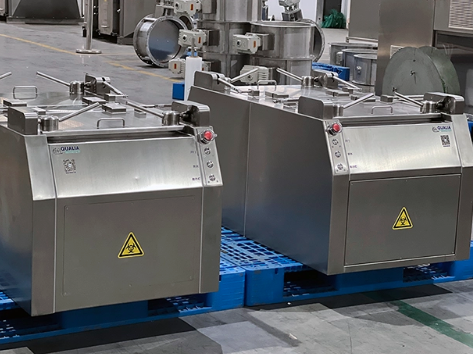
Managing contamination risks in high-level biosafety spaces demands tools that react fast, operate simply, and protect people without slowing work. A dunk tank decontamination system fits this need. It acts as a controlled immersion unit designed to neutralize contaminants before materials or personnel leave restricted zones. Although the name sounds playful because of its familiar use at fairs, its modern function in laboratories, disease-control facilities, and emergency response units is serious, engineered, and science-driven.
What Is a Dunk Tank?
A dunk tank is a sealed tank or immersion chamber filled with an approved chemical disinfectant. Items leaving a BSL-3 or BSL-4 work area get fully submerged for a set time.
These tanks often include:
Heavy-duty stainless or polymer chambers
Chemical-resistant gaskets
Timed immersion controls
Safety interlocks
Drainage and replacement filters
Engineers design them for repeat use, minimal splash, and predictable disinfection results. Workers rely on them every day to protect clean areas.
Why Dunk Tanks Matter in High-Risk Environments
High-risk biosafety environments handle organisms that spread fast and cling to surfaces far longer than most people expect. Even a tiny droplet on a glove or a tool can move contamination from one zone to another. A dunk tank provides a controlled barrier that breaks this chain. It creates a complete chemical and physical separation between spaces, letting items go through full immersion instead of relying on quick sprays or manual wipes. Immersion covers every angle of an object, so users don’t worry about missing hidden creases or irregular edges. It also reduces routine mistakes people make when they rush, feel tired, or underestimate surface risks.
Because dunk tanks follow set immersion-time protocols, they deliver predictable results that teams can repeat in any shift. Labs, medical facilities, emergency response trailers, and mobile field units use them since the method destroys contaminants more reliably than spray-only approaches. It’s simple: submerge the item, let the disinfectant work, lift it out, and move safely into the next zone.
How Dunk Tanks Work: Step-By-Step
Item Placement: Tools, PPE parts, sample containers, or small instruments go into a steel basket.
Controlled Dunking: The basket lowers into the disinfectant pool. Timers run automatically, preventing shortcuts.
Full Surface Coverage: Liquid reaches cracks, hinges, micro-grooves—spots wipes often miss.
Neutralization: Microbes lose viability through oxidation, alcohol disruption, or chlorine-based breakdown.
Dry-off / Rinse: Some labs add a secondary rinse chamber.
Safe Transfer: Items move into a lower-risk zone.
This repeatable workflow keeps staff safe while simplifying regulatory compliance.
Common Dunk Tank Disinfectants (Comparison Table)
| Disinfectant Type | Typical Use | Strengths | Limitations |
| Chlorine Solutions | Equipment, containers | Strong, broad-spectrum | Corrosive on metals |
| Quaternary Ammonium | General lab tools | Low odor, surface-friendly | Weak against spores |
| 70%–80% Alcohol | Smooth tools, glassware | Fast evaporation | Flammable, limited on organic matter |
| Hydrogen Peroxide Mix | High-risk agents | Strong, residue-free | Light-sensitive, costlier |
Choosing the right formula depends on the organism class, surface material, and facility’s biosafety protocols.
Dunk Tank vs. Other Decontamination Methods
Immersion Tanks
Immersion tanks are ideal for small to medium-sized equipment that cannot tolerate harsh heat or require complete surface coverage. They provide uniform exposure to disinfectants, ensuring predictable sterilization results every time. This method works well for repeated daily workflows, reducing human error and guaranteeing that every nook and crevice is treated.
Spray & Wipe
Spray and wipe methods are quicker to deploy but often lack consistency. Operators may miss tight spots, grooves, or threaded areas, which can harbor contaminants. While convenient for fast cleaning, this approach depends heavily on human diligence and cannot guarantee thorough sterilization for high-risk pathogens.
Autoclaving
Autoclaves deliver excellent sterilization for heat-stable instruments and materials. However, many delicate tools or chemical-sensitive items cannot withstand high temperatures. This limits autoclaving to certain categories of laboratory equipment, leaving a gap for alternative methods like dunk tanks.
UV Chambers
UV decontamination avoids chemicals entirely, making it suitable for electronics or other sensitive materials. Yet UV light works only on surfaces it directly reaches. Shadows, folds, or enclosed areas may remain untreated, reducing overall effectiveness.
Safety Features Found in Modern Dunk Tanks
Engineers build dunk systems to guard workers. Common features include:
Anti-splash entry rings
Locking lids to contain vapors
Non-slip steps and platforms
Gripped baskets to avoid pinched fingers
Chemical-resistant materials
Emergency drain valves
Clear fill-level indicators
These design elements reduce workplace accidents while keeping lab activities smooth.
Where Dunk Tanks Are Used
High-risk biosafety work happens across multiple settings. Dunk tanks provide a reliable method for safely transferring and decontaminating materials, making them essential in many environments.
1. National and Regional Disease Laboratories
Researchers handle dangerous pathogens that can spread rapidly. Dunk tanks reduce contamination risk during the transfer of samples or equipment between containment zones.
2. Veterinary Infectious Disease Centers
Animal labs require strict decontamination. Dunk tanks prevent cross-contamination between animals, instruments, and staff, ensuring both safety and experimental integrity.
3. Pharmaceutical Research and Vaccine Facilities
Sterility is crucial in drug manufacturing and vaccine development. Dunk tanks allow materials and small equipment to be disinfected efficiently before moving between cleanroom areas.
4. Emergency Outbreak Response Units
During outbreaks, portable or temporary labs use dunk tanks to maintain biosafety while investigating pathogens in the field. Quick, reliable decontamination protects teams from exposure.
5. Academic and University Research
High-containment studies in universities demand stringent safety measures. Dunk tanks help prevent the accidental spread of microorganisms while teaching or conducting experiments.

Situations That Require a Dunk Tank
Some scenarios in high-risk biosafety settings call for immersion-level decontamination because surface cleaning alone is not enough. Dunk tanks help reduce the chance of accidental contamination or exposure.
1. Handling Zoonotic Pathogens
Viruses like avian flu, Nipah, or Rift Valley fever can spread rapidly. Items exposed to these pathogens need full immersion to inactivate microorganisms reliably.
2. Moving Sealed Containers Between Rooms
Pressure-differential rooms protect clean zones. Dunk tanks allow sealed boxes or instruments to pass between areas without compromising airflow or containment.
3. Cleaning Reusable Sampling Tools
Scalpels, tweezers, and other reusable tools often have hard-to-reach areas. Immersion ensures disinfectant reaches every groove and crevice.
4. Emergency Response Operations
Field labs and outbreak units face unpredictable exposure risks. Dunk tanks provide a consistent, controlled way to decontaminate small equipment during emergencies.
5. BSL-3/4 Material Transfer
High-containment laboratories require rigorous protocols. Dunk tanks serve as a safe transfer point for materials entering or leaving containment corridors.
6. Decontaminating PPE Accessories
Shields, respirator parts, goggles, and other reusable personal protective equipment must be fully disinfected to prevent cross-contamination. Immersion guarantees comprehensive sterilization.
In all these situations, dunk tanks create the safest possible pathway between contaminated and clean areas, providing predictable, reproducible decontamination for high-risk operations.
How Long Should Items Stay in a Dunk Tank?
Immersion time varies by chemical type, but most labs use 2–20 minutes based on validated SOPs. Time depends on:
Below is a simple reference chart:
| Risk Level | Recommended Immersion Time |
| Moderate BSL-2 | 2–5 minutes |
| High BSL-3 | 5–10 minutes |
| Extreme BSL-4 | 10–20 minutes |
Facilities adjust times after internal validation tests.
Troubleshooting: Common Problems & Fixes
| Problem | Likely Cause | Practical Fix |
| Weak disinfection | Diluted chemical | Replace tank solution promptly |
| Strong odor | High chlorine content | Switch to quaternary formula |
| Corroded tools | Chemical incompatibility | Use peroxide-based disinfectant |
| Cloudy solution | Organic load buildup | Increase change frequency |
| Splashing | Improper lowering speed | Train staff or use auto-basket |
Small adjustments prevent workflow disruptions.
FAQ
Q1: Can dunk tanks decontaminate all types of lab equipment?
Dunk tanks work best for small to medium-sized items that can tolerate chemical immersion, but very heat-sensitive or oversized equipment may require alternative methods.
Q2: Are dunk tanks safe for daily use in laboratories?
Yes, modern dunk tanks are built from chemical-resistant materials and include safety features like anti-splash rings and interlocks, making them safe for repeated daily operations.
Q3: How often should the disinfectant solution be changed?
The solution should be replaced regularly based on usage, organic load, and manufacturer recommendations, often daily or whenever tests indicate reduced effectiveness.
Q4: What types of disinfectants can I use in a dunk tank?
Chlorine solutions, quaternary ammonium compounds, hydrogen peroxide mixes, and alcohol-based disinfectants are commonly used, chosen according to pathogen type and material compatibility.
Q5: Can dunk tanks replace autoclaving or UV sterilization?
They complement these methods rather than replace them. Dunk tanks provide chemical immersion for items that cannot tolerate heat or have complex geometries, while autoclaves and UV sterilizers handle other categories of equipment.
Conclusion
Dunk tanks remain a cornerstone in contamination control, offering reliable, repeatable decontamination for high-risk biosafety settings. Their combination of airtight construction, chemical immersion, and automated controls makes them indispensable across laboratories, hospitals, and field operations. For teams seeking trusted solutions, Shanghai Qualia Biotechnology Co., Ltd. provides advanced dunk tank systems designed to meet rigorous biosafety standards, helping organizations maintain the highest levels of cleanliness and safety.


