Introduction
In the rapidly evolving pharmaceutical industry, safety, precision, and efficiency are essential for success. To meet growing demands for high-quality products, pharmaceutical facilities must maintain strict standards. This is where isolators play a crucial role.Isolators protect both products and personnel by creating a controlled environment. In this article, you will learn about the benefits and challenges of integrating custom isolators into your pharmaceutical facility project.
Understanding the Role of Isolators in Pharmaceutical Facilities
What Are Pharmaceutical Isolators?
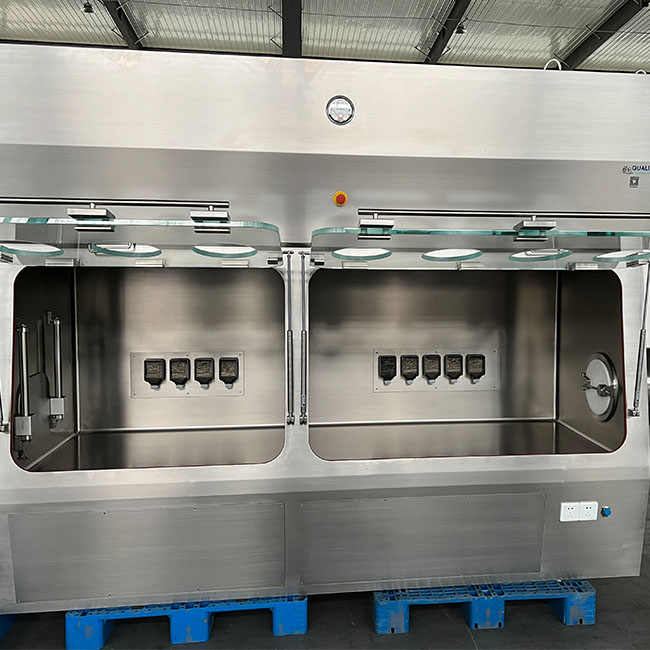
Isolators are sealed systems that provide a controlled environment, designed to isolate processes from the surrounding environment. The primary purpose of isolators is to protect sensitive pharmaceutical products from contamination during manufacturing or testing. Whether you’re working with sterile products, hazardous materials, or aseptic conditions, isolators are essential to maintain product integrity.
Isolators are particularly effective in maintaining the sterility of products, preventing external contamination such as dust, microbes, or chemical pollutants. They also prevent the release of hazardous substances into the environment, ensuring the safety of personnel. This makes isolators a key component in pharmaceutical facilities focused on sterile production, hazardous drug containment, and research.
How Isolators Work to Protect Processes and Products
Isolators work by creating a physically sealed environment in which the production or testing process takes place. This includes the use of specialized features such as glove ports, HEPA filtration systems, and advanced air circulation techniques. By doing so, isolators ensure that harmful elements, such as dust or microorganisms, do not come in contact with sensitive pharmaceutical materials.
Here’s how isolators maintain a safe environment:
● Air Filtration: HEPA filters are often used to maintain a clean and sterile atmosphere inside the isolator by removing airborne contaminants.
● Pressure Control: Isolators often employ either positive or negative pressure systems to control the flow of air and prevent contaminants from entering or escaping.
● Glove Ports: These allow operators to interact with the materials inside the isolator without breaking the sealed environment.
The result is a sterile, controlled space that maintains product safety while meeting regulatory standards.
Types of Isolators Used in Pharmaceutical Environments
Pharmaceutical facilities use different types of isolators, each tailored to specific needs. The most common types of isolators include:
Type of Isolator | Description | Typical Use |
Glove Boxes | Sealed enclosures with glove ports that allow operators to handle materials. | Handling hazardous drugs, cytotoxic drugs, and radioisotopes. |
Barrier Isolators | Sealed units that provide protection against contamination, using gloves for operation. | Aseptic processing, sterile product handling. |
Containment Isolators | Contain highly potent or toxic materials, preventing any exposure to operators. | Handling potent drugs, hazardous substances, and cytotoxic compounds. |
These isolators are all engineered to meet specific needs within pharmaceutical manufacturing or testing. Depending on the type of pharmaceutical production or research being conducted, different isolators may be used to ensure maximum safety and compliance.
Why Custom Isolators Are a Game-Changer
Tailoring Isolators to Specific Pharmaceutical Needs
One of the biggest advantages of integrating custom isolators into a pharmaceutical facility is the ability to tailor them to specific processes. Generic, off-the-shelf isolators may not always meet the unique needs of your facility. Custom isolators are designed to match your workflows, equipment, and safety requirements precisely.
For instance, a pharmaceutical facility handling a unique class of drugs or specialized materials might need custom designs to address contamination concerns specific to those products. Custom isolators can be tailored for the size, shape, and material needs of the products being handled, increasing both efficiency and safety.
Addressing Special Safety and Contamination Concerns
Certain pharmaceutical processes, such as handling cytotoxic drugs or other high-risk substances, require additional layers of protection. Custom isolators can be designed with enhanced safety features like higher filtration levels, special containment systems, and ergonomic adjustments for easier handling.
Custom Features in Isolators | Benefit |
Enhanced Ventilation Systems | Improved airflow control to minimize contamination risks. |
Advanced Filtration | Higher efficiency in removing hazardous airborne particles. |
Material Compatibility | Ensures the isolator can handle specific chemical or biological materials. |
These bespoke designs help ensure compliance with the latest safety standards and regulations while addressing the unique risks associated with your pharmaceutical production.

The Benefits of Custom Isolators in Facility Design
Enhanced Process Efficiency
Custom isolators streamline operations by creating tailored solutions that align with the facility's specific processes. With proper integration into the workflow, these isolators reduce the risk of contamination and errors. Furthermore, custom designs can also reduce the need for manual intervention, lowering the chances of human error and improving overall process efficiency.
By creating isolators that fit seamlessly into existing systems, companies can minimize downtime during production or research. This efficiency results in faster, more reliable production cycles and higher-quality pharmaceutical products.
Greater Flexibility and Adaptability
Custom isolators offer greater flexibility than their off-the-shelf counterparts. As pharmaceutical facilities grow or change, their processes evolve. Custom isolators can be upgraded or adapted to meet the changing needs of the business. Whether it's scaling production, adapting to new safety regulations, or introducing new technologies, custom isolators can be designed with future modifications in mind.
Key Benefits of Custom Isolators | Impact on Pharmaceutical Facilities |
Adaptability | Can be upgraded or adjusted as facility needs change. |
Cost-effectiveness | Reduces long-term maintenance and operational costs. |
Compliance | Ensures ongoing compliance with evolving regulations. |
This adaptability ensures that the facility can continue operating without disruption as business needs evolve or as new safety protocols are introduced.
Challenges in Integrating Custom Isolators
Overcoming Design and Engineering Obstacles
Designing and integrating custom isolators into an existing pharmaceutical facility comes with its own set of challenges. One of the primary obstacles is ensuring that the custom isolators fit into existing layouts without disrupting workflows. Space limitations and existing equipment compatibility need to be considered carefully during the planning stages.
Here are some of the key considerations:
● Space Constraints: Designing isolators that fit into pre-existing spaces without reducing operational efficiency.
● Complex Integration: Ensuring the isolators are compatible with existing equipment, especially when dealing with specialized machinery or systems.
● Material Compatibility: Custom isolators need to be designed with materials that are compatible with the specific substances being handled, ensuring safety and efficiency.
Working closely with manufacturers and engineers who specialize in isolator design is key to overcoming these obstacles.
Regulatory and Compliance Challenges
In the pharmaceutical industry, strict regulatory standards govern manufacturing and safety procedures. Custom isolators must meet the required standards, such as Good Manufacturing Practices (GMP), FDA regulations, and other local safety protocols. Ensuring that the custom designs comply with these standards can be a complex process, especially if the isolator includes innovative or cutting-edge technologies.
Balancing the need for innovation with the need for compliance is crucial. The custom isolator design must meet both functional and regulatory requirements without compromising the quality of the final product.
Step-by-Step Guide to Integrating Custom Isolators into Your Facility
Assessing Facility Needs and Objectives
Before integrating custom isolators, it's essential to conduct a thorough needs analysis. This process involves evaluating the specific pharmaceutical processes that will require isolators. Are you dealing with high-containment materials, or do you need aseptic processing capabilities? Identifying these needs helps ensure that the isolator design aligns with the facility's objectives, whether it’s maintaining safety, improving product quality, or enhancing efficiency.
Steps in Needs Assessment | Purpose |
Identify Specific Requirements | Understand the precise functions and risks for your facility. |
Establish Operational Objectives | Define goals such as efficiency, contamination control, etc. |
By defining clear objectives from the start, you can ensure that the custom isolators are designed to meet those needs, reducing the risk of costly redesigns.
Collaborating with Experts for Design and Implementation
Integrating custom isolators requires the expertise of isolator manufacturers, engineers, and regulatory professionals. Collaboration with these experts ensures that the design meets technical requirements, integrates smoothly into existing systems, and complies with all relevant standards.
A successful integration process also involves operational teams to ensure that the isolator design aligns with the workflow. Once the design is finalized, the installation and testing stages ensure that the custom isolators operate as expected.
Best Practices for Maintaining and Optimizing Custom Isolators
Regular Maintenance to Ensure Longevity and Efficiency
Preventive maintenance is crucial for the longevity and performance of custom isolators. Regular inspections, cleaning, and servicing will help identify potential issues before they become problems. Maintenance tasks include checking the integrity of seals, inspecting filtration systems, and monitoring airflow and pressure levels.
Maintenance Tasks | Frequency | Purpose |
Filter Inspections | Quarterly | Ensure proper filtration and airflow. |
Seal Integrity Checks | Annually | Prevent leaks or contamination from escaping. |
Pressure Monitoring | Monthly | Ensure proper internal pressure for safety. |
This proactive approach ensures that the isolators operate efficiently and safely over the long term, reducing downtime and extending their lifespan.
Upgrading and Reassessing Your Isolators as Your Facility Evolves
Pharmaceutical facilities are dynamic, and the need for isolators may change over time. As your facility grows or your processes evolve, it’s important to assess whether your current isolators are still up to the task. Upgrading isolators with new technologies, such as advanced filtration or automation systems, can help optimize performance and maintain high standards of safety and efficiency.
Real-World Case Studies: Successful Integration of Custom Isolators
Case Study 1: Enhancing Containment in Sterile Manufacturing
One pharmaceutical company faced challenges in maintaining the sterility of its manufacturing environment. The custom isolators designed for their facility helped maintain the aseptic conditions required for their products. These isolators offered enhanced containment features, preventing contamination during the delicate stages of production. As a result, the company saw a significant reduction in product recalls and contamination-related issues.
Case Study 2: Streamlining Processes in Research and Development Labs
In a research and development setting, the pharmaceutical company needed isolators to contain hazardous materials while allowing researchers to interact safely. Custom isolators allowed for better handling of high-risk substances, improving safety and efficiency. The project resulted in quicker research timelines and a safer environment for R&D personnel.
Conclusion
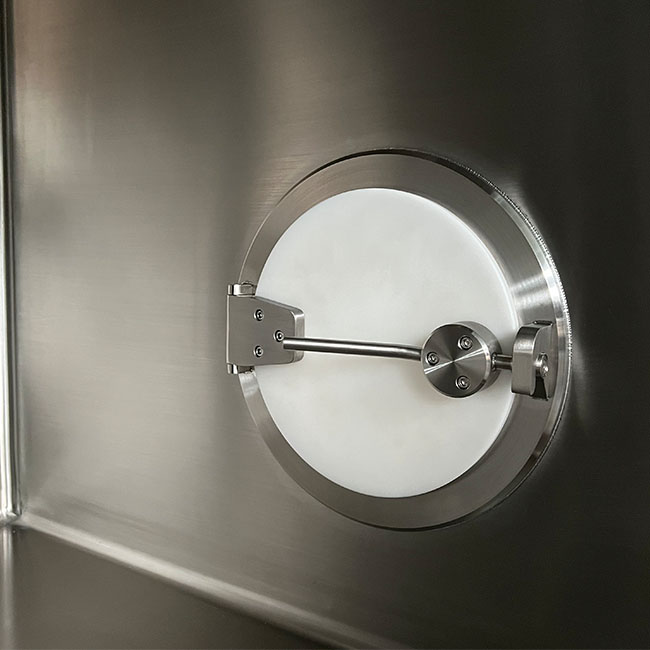
Integrating custom isolators into pharmaceutical facilities offers significant benefits, including enhanced safety, efficiency, and flexibility. By tailoring isolators to meet specific needs, pharmaceutical companies can ensure that their processes remain compliant with regulatory standards while adapting to future requirements. Successful integration involves careful planning, expert collaboration, and continuous maintenance. As the pharmaceutical industry continues to evolve, the role of custom isolators will only grow more important. Facilities that embrace this technology will be better equipped to manage risks, improve productivity, and maintain the highest standards of quality. Qualia's Isolator technology plays a crucial role in this process by providing secure, contaminant-free workspaces for critical pharmaceutical manufacturing and research. Designed with ergonomic use in mind and built to uphold strict biosafety standards, Qualia's isolators ensure safe handling of sensitive materials, helping pharmaceutical companies meet both safety and efficiency goals while adhering to the industry's evolving demands.
FAQ
Q: What is an isolator, and how does it work in pharmaceutical facilities?
A: An isolator is a sealed system used in pharmaceutical facilities to create a controlled environment for manufacturing or testing. It protects products from contamination and prevents the escape of hazardous substances, ensuring safety and sterility in processes.
Q: Why should I integrate custom isolators into my pharmaceutical facility?
A: Custom isolators are designed to meet specific pharmaceutical needs, ensuring better safety, efficiency, and compliance. They offer tailored solutions for unique workflows, improve contamination control, and can adapt to evolving regulatory standards.
Q: What are the benefits of using custom isolators in pharmaceutical production?
A: Custom isolators enhance process efficiency, offer greater flexibility, and improve contamination control. They are designed to integrate seamlessly into facility layouts, minimizing disruption and ensuring a safe, sterile environment for high-risk pharmaceutical processes.
Q: How do custom isolators compare to standard isolators?
A: Custom isolators are tailored to specific needs, offering enhanced functionality, better safety features, and adaptability. Unlike standard isolators, they can be optimized for unique workflows and specialized requirements in pharmaceutical production.


